HOME>NEWS>How Do UPVC Roofing Sheets Solve the Most Difficult Industrial Corrosion Problems in 2026?
How Do UPVC Roofing Sheets Solve the Most Difficult Industrial Corrosion Problems in 2026?
2026-04-16 15:00:52
SHARE TO:
The industrial infrastructure is facing even greater environmental challenges. Acid rain incidents in various manufacturing centers are becoming more common, and the heat stress caused by fluctuating global temperatures is bringing roof corrosion to center stage. The need for a long-term solution is becoming more pressing, and we’ve spent decades refining the art of building envelope protection to specifically address these concerns. We operate 22 automated manufacturing lines, which gives us stability in our output and helps ensure timely delivery even when project schedules get tight. Whether we’re moving one container to a specialized facility or managing large quantities to support a national infrastructure project, our goal is always the same: meet deadlines through a reliable network. Our capacity is best illustrated by our supply for the Agrosuper pig farming projects in Chile, the largest of their kind globally. This project required extreme chemical resistance to high ammonia levels, proving our ability to protect structural integrity in the most demanding industrial environments while ensuring long-term durability.Check out how our manufacturing capabilities contribute to global infrastructure at JIELI.
The Shift in 2026: Why Traditional Metal Roofing Is Failing
For years, industrial facilities relied on color-coated steel sheets. However, in the current climate of 2026, these materials are showing their limits. In chemical plants, smelting workshops, and coastal factories, the lifespan of metal roofing has plummeted. The electrochemical reaction between salt, moisture, and industrial pollutants causes rapid oxidation. Once the protective coating is breached, the structure loses its integrity, leading to leaks that damage expensive machinery and halt production.
The cost of replacing a roof every few years is no longer sustainable. Beyond the material costs, the downtime required for repairs eats into the profit margins of modern enterprises. This is why many facility managers are moving toward advanced polymers. The goal is no longer just to “cover” a building but to protect the investment for decades.
How UPVC Solves the Most Difficult Corrosion Problems
We have developed a specialized solution that treats corrosion as a solved problem rather than a recurring cost. The secret lies in the chemical stability of unplasticized polyvinyl chloride combined with modern reinforcement techniques. Unlike metal, these materials do not rust. They are inert to the vast majority of acids, alkalis, and salts found in industrial waste gases.
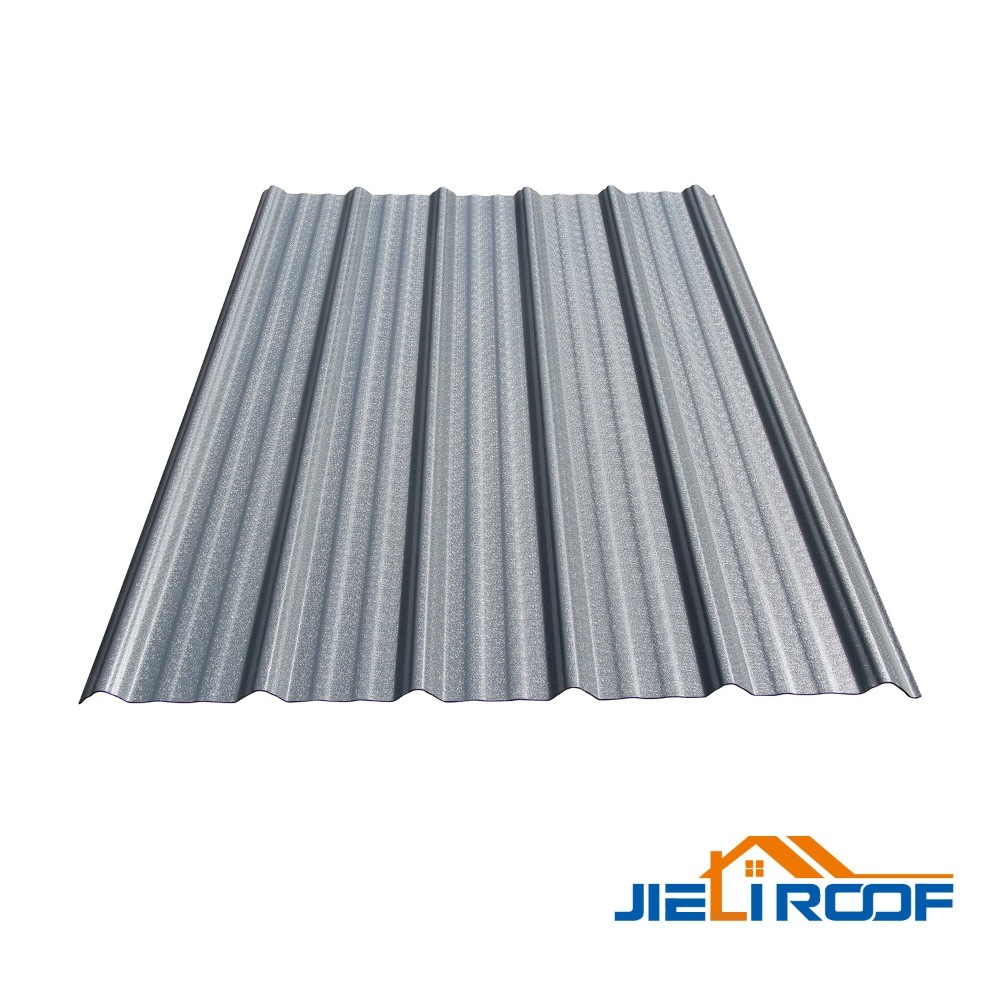
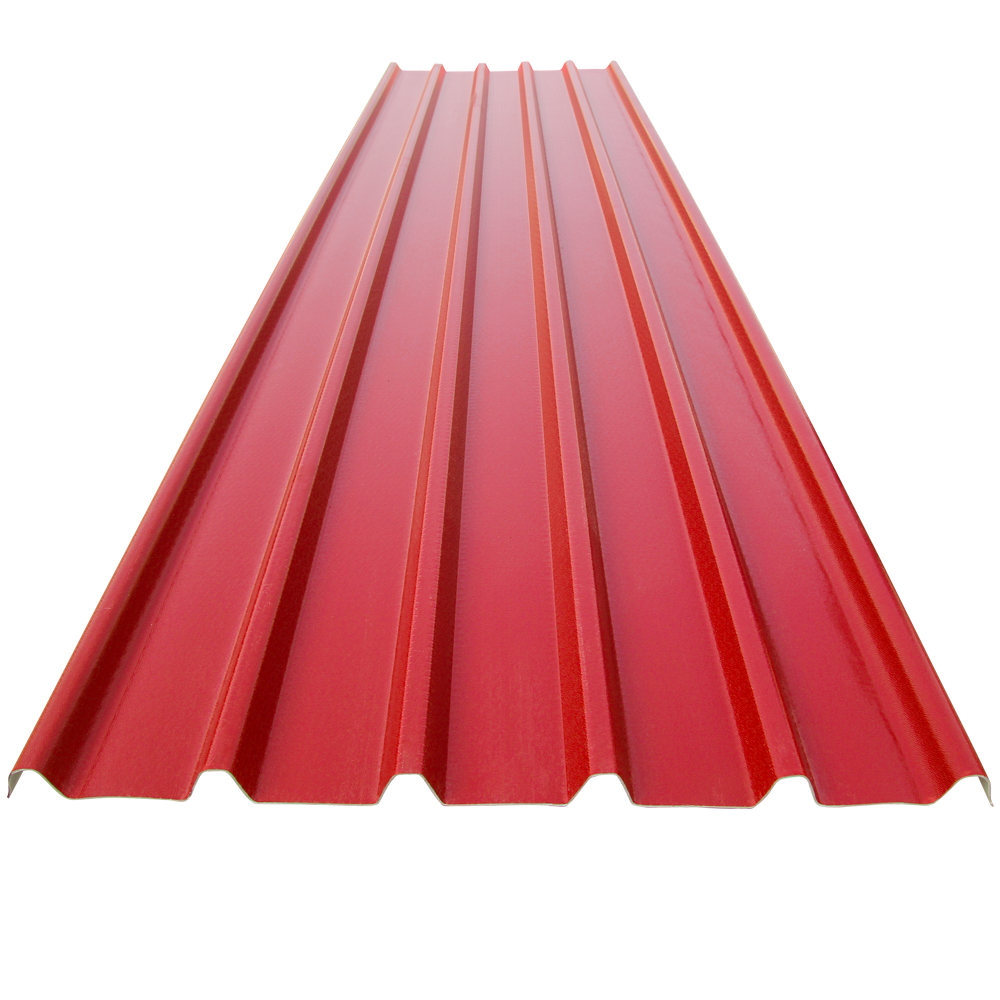
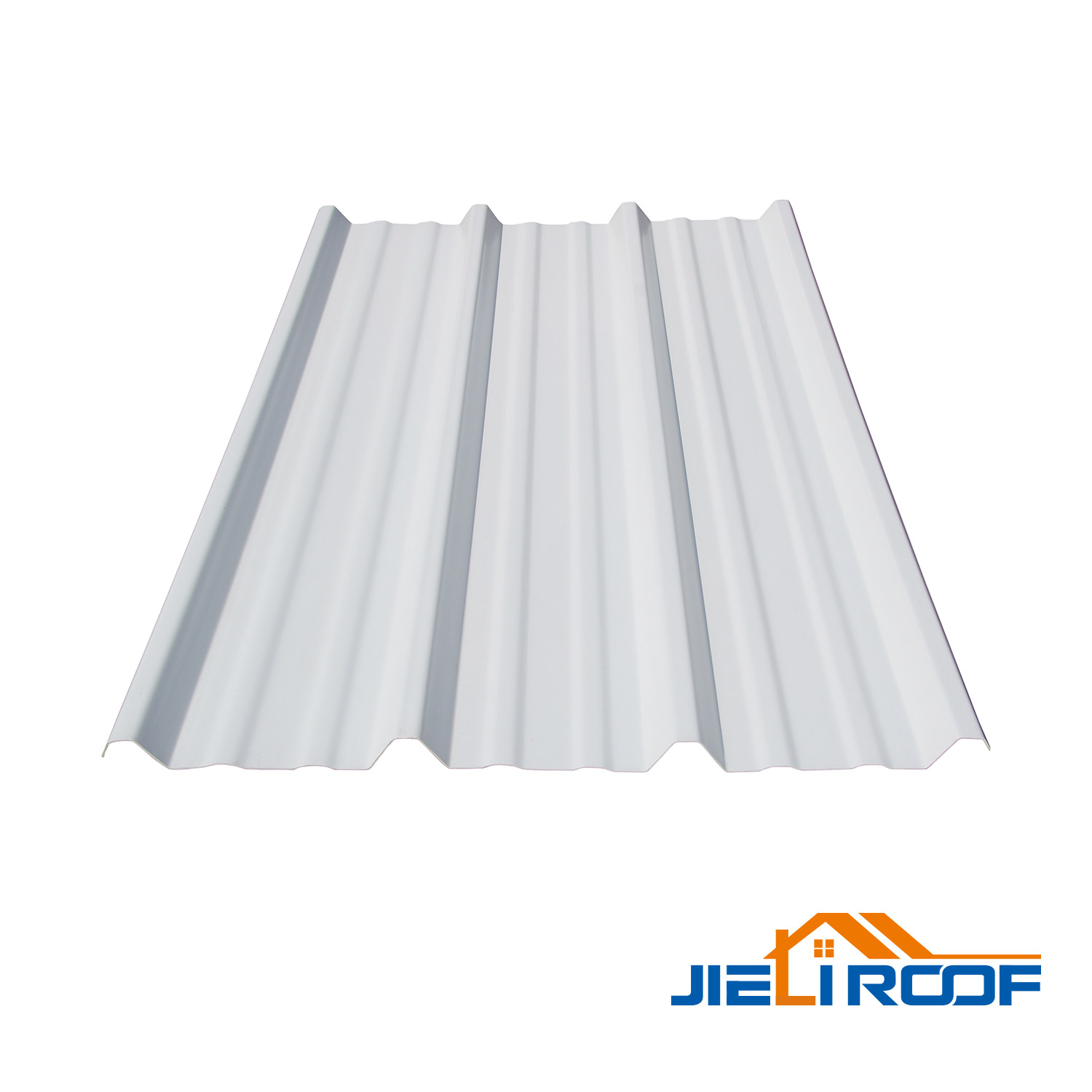
Our specific formulation ofUPVC Roofing Sheet T1130 is designed to withstand temperatures ranging from -40°C to 80°C. This wide thermal range is essential for 2026, as industrial processes often generate intense internal heat while external weather becomes more unpredictable. By utilizing a national patent-protected technology, we have created a material that offers a lifespan up to 3-5 times longer than traditional color steel tiles in highly corrosive environments.
The Science of the Four-Layer Protection
To achieve this level of durability, we utilize a Triple-Layer Co-extrusion Technology integrated with a high-strength Fiberglass Layer. This results in four distinct functional layers that work in harmony to protect the structure.
The top layer is treated with high-weathering ASA resin. This serves as the primary shield against ultraviolet radiation, ensuring the roof maintains its color and structural density even under constant sun exposure. Beneath this, the second layer consists of solid UPVC, which provides the primary strength of the sheet along with excellent heat and sound insulation.
The third layer is where the real innovation happens: a Fiberglass reinforcing layer. We describe this as “soft steel” because this glass fiber mesh is uniformly distributed throughout the sheet. It significantly enhances high-temperature resistance, tensile strength, and load-bearing performance. Finally, the bottom layer is another specialized UPVC coating that focuses on moisture resistance and internal chemical protection, ensuring the roof is as durable from the inside as it is from the outside.
Tackling High-Temperature and High-Humidity Environments
Many industrial buildings, such as fertilizer warehouses or electroplating plants, suffer from internal corrosion caused by condensation. When warm, chemical-laden air hits a cold metal roof, it creates a “rain” of corrosive liquid inside the building.
Our material naturally prevents this. Because of its superior thermal insulation properties, it does not reach the dew point as easily as metal. This means no more condensation dripping onto products or Contractors working below. Furthermore, because the material is naturally fire-resistant and waterproof, it provides a comprehensive safety net for high-risk industrial zones.
Simplified Installation and Maintenance
As the year 2026 continues to progress, the environmental factors are increasingly taking center stage within the infrastructure of industrial buildings. Acid rain is increasingly being seen in the industrial sector, and the changing global temperature is also taking its toll on the infrastructure of buildings. For facility managers, the search for a long-term solution to the problem of corroded roofs is now at the top of the agenda. We have spent decades perfecting the science of protective buildings to specifically counter these issues.
The projects of today are all about speed and efficiency. Our products are lightweight but also very robust, which makes them easier to work with as a Contractor as opposed to the heavier metal or clay products that are also available. The fiberglass mesh also prevents the panels from deforming or cracking.While we do not provide on-site installation guidance, the design of our tiles is intuitive for professional Contractors. The sheets are designed to be “worry-free” from the moment they are delivered. With a 10-year warranty and a projected lifespan that spans decades, the need for ongoing maintenance is virtually eliminated. This allows companies to redirect their maintenance budgets toward core business operations.
The Economic Impact: Energy Savings and Longevity
In 2026, energy efficiency is a legal requirement in many regions. Metal roofs act like giant radiators, absorbing heat and forcing cooling systems to work overtime. Our UPVC solution offers significant heat insulation, often reducing internal workshop temperatures by several degrees compared to metal.
This thermal barrier translates directly into lower electricity bills. When you combine these energy savings with the fact that you won’t need to replace the roof for 30 years or more, the return on investment becomes undeniable. We are so confident in the performance of our products that we offer free samples for testing. We believe that once you feel the weight and strength of the fiberglass-reinforced structure, the difference in quality becomes clear.
Specialized Support for Your Industrial Projects
Every factory has different needs. Whether you are dealing with the high sulfur output of a smelting plant or the high humidity of a food processing facility, we provide customized solutions. We focus on delivering a product that fits your specific environmental challenges.
Our service extends beyond just manufacturing. We help you select the right thickness and profile to ensure maximum structural stability. While we stay focused on the production and delivery of these high-performance materials, we are always available to discuss the technical specifications required for your unique industrial environment. If you are looking to secure your facility against the elements of 2026 and beyond, Please contact us,we are here to provide the materials that make that possible.
FAQ
Q: Can these sheets handle heavy snow or hail in 2026?
A: Yes, the integrated fiberglass mesh acts like “soft steel” reinforcement. This gives the sheets exceptional impact resistance against hail and high load-bearing capacity for heavy snow, far exceeding the performance of standard plastic tiles.
Q: How do these sheets react to direct contact with industrial acids?
A: Our UPVC is chemically inert. In testing and real-world application in chemical plants, the sheets show no reaction to common industrial acids like sulfuric or hydrochloric acid, preventing the “rust-through” common in metal roofing.
Q: Is a special framework needed for installation?
A: No special framework is required. Professional Contractors can install these sheets on standard steel or wood purlins. Because they are lightweight and have a stable structure, they often allow for wider purlin spacing, which can actually save on overall construction costs.






 +86 0535 6278701 / +86 15653505862