HOME>NEWS>How Do Disinfectants Damage Ordinary Farm Roof Panels Over Time
How Do Disinfectants Damage Ordinary Farm Roof Panels Over Time
2026-09-07 00:00:29
SHARE TO:
Disinfection is good farm management, but it is not gentle on ordinary roof panels. Spray mist rises, damp air sits under the roof, and chemical residue collects near laps, fasteners, and ridge lines. Over time, that pattern can turn a clean-looking building into a repair project. TSP Steel Roof Sheet was developed for corrosive environments where ordinary painted metal struggles, especially livestock buildings that are cleaned often and cannot afford repeated roof failures.
Why Disinfection Changes The Roof Environment
Farm cleaning is not a single event. It repeats weekly, monthly, or between production cycles. Every round adds moisture and chemical contact. If ventilation is slow or roof details trap water, the panel coating has to work much harder than it would on a normal warehouse.
Chemical Mist Reaches Hidden Points
Disinfectant spray does not stay on the floor. Fine mist rises with warm air and can settle under roof sheets, ceiling areas, and side laps. In poultry houses and pig barns, the roof often sees more chemical exposure than buyers expect because cleaning is frequent and turnover time is tight. This is where disinfectant-resistant roofing becomes more than a marketing phrase. A roof panel has to hold its surface around screws, cut edges, and overlaps, not only on the visible face.
Ammonia And Moisture Make The Damage Faster
The roof is also dealing with manure gas, urine vapor, humidity, and dust. These conditions support farm roof corrosion because metal oxidation speeds up when moisture and chemical residue remain in contact with the coating. Small scratches become entry points. Weak coating areas become stains. Later, stains become holes or leaks.
Ordinary painted sheets can fail unevenly. One part looks normal, while the fastener line has already started to rust. That uneven damage is frustrating for farm managers because repairs rarely stay local.
How Ordinary Panels Start To Fail
Most roof failures begin quietly. A buyer may not see structural damage in the first season, but the coating can already be losing grip. The problem is usually clearer after the next cleaning round or wet season.
Coatings Break At Fasteners And Laps
Painted metal depends on a coating layer. When that coating has pinholes, scratches, or uneven thickness, disinfectants and damp air reach the steel. The damage first appears at screws, holes, lap joints, and cut edges because these points are mechanically stressed and harder to protect.
Once farm roof corrosion starts at a fastener line, the roof may need sealant, patching, or panel replacement. The first repair may be small. The second and third visits are where the true cost starts to show.
Rust Affects Hygiene And Daily Work
A rusty roof is not only an appearance problem. Leaks can wet bedding, feed storage, electrical areas, insulation, and interior wall panels. Rust flakes and dirty water also work against hygiene routines after a building has already been cleaned.
This is why livestock roofing sheets should be judged by cleaning exposure, not only by outdoor weather. If the roof cannot handle the farm’s hygiene routine, the cleaning program and the roof material are working against each other.
Why TSP Is Different From Painted Steel
TSP is still a metal roof sheet. Its value is not built around heat insulation as the main selling point. The important difference is the film barrier over the steel, which helps keep corrosive media away from the metal substrate.
A Film Barrier Seals The Steel
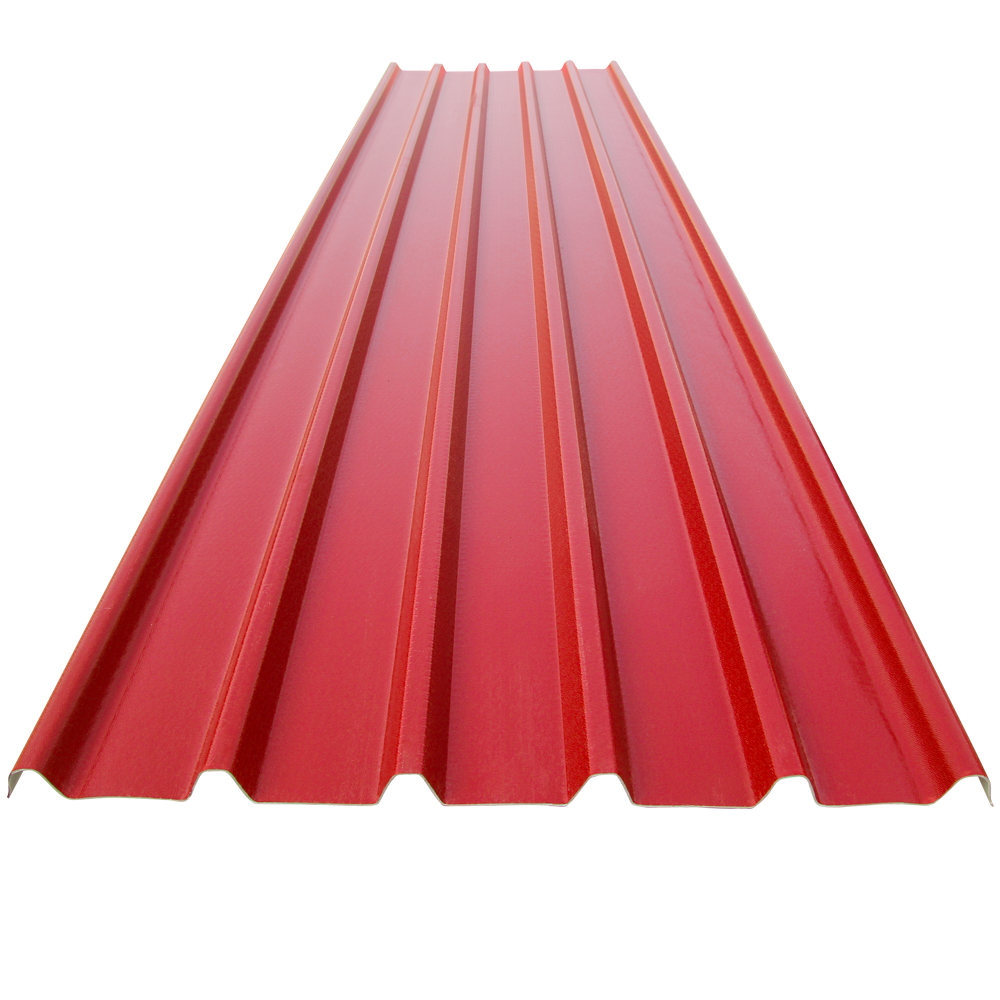
TSP film–coated steel sheet uses modified polyester film bonded to galvanized or colored steel. The film is designed as an airtight sealed layer with no microholes, so the steel is not exposed the same way ordinary painted sheets are. That structure is the reason it fits farms that need a corrosion-resistant roof panel rather than another short-life coating, and its thickness ranges from 0.4-0.8 mm.
Test Points Give Buyers A Clearer Check
For chemical resistance, TSP testing includes 15% hydrochloric acid and a 168-hour exposure record with no cracking, gloss loss, corrosion, or bubbles. The broader test list also includes ammonia and chlorine exposure, plus a 1000-hour salt spray test. TSP warranty language is 15 years. These details help separate a real TSP steel roof sheet from a general painted panel sold as farm grade. A disinfectant-resistant roofing claim should come with test points, coating structure, and warranty wording that match the actual product.
Where Disinfectant Damage Costs The Most
Chemical damage is expensive because it does not stop at the panel. Once the roof leaks or rust spreads, the farm has to deal with access, cleaning delays, animal movement, and repeat repair planning.
Poultry And Pig Buildings Feel It First
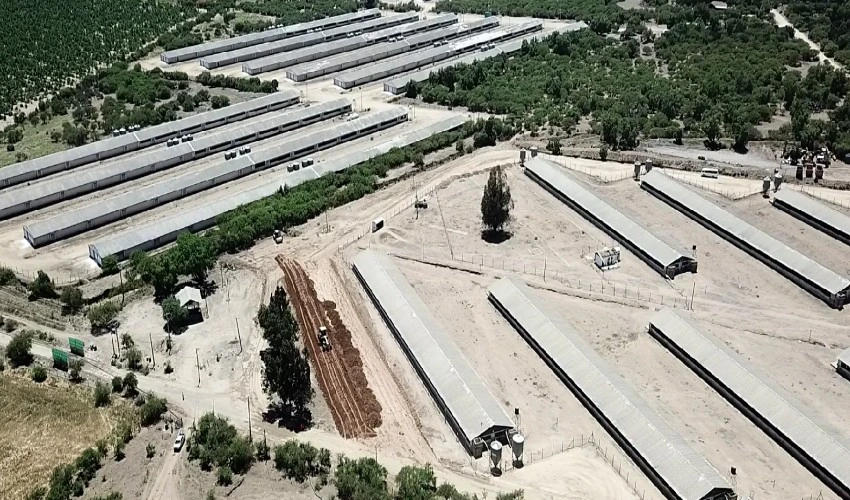
Poultry houses usually have strict clean-out cycles. Pig houses combine humidity, manure gas, and washing. In both cases, roof repairs can interfere with the next batch or the daily cleaning plan. A small roof problem quickly becomes a scheduling issue. That is why a corrosion-resistant roof panel can pay for itself in reduced repair pressure. The farm is not buying shine. It is buying fewer wet spots, fewer rust lines, and less disruption after disinfection.
Retrofit Projects Need Honest Inspection
A roof that already shows rust around fasteners or laps should be inspected before the next cleaning season. If leaks repeat after washing or rain, patching may only delay the decision. TSP can be considered where the building still needs metal strength but ordinary painted steel no longer lasts in the farm environment.
Contractors should also review whether old panels, purlins, and edge details are stable enough for the chosen retrofit plan. The supplier can discuss sheet profile and sample checks, but site installation decisions belong to qualified project teams.
What Buyers Should Ask Before Choosing TSP
The right questions are not complicated. They should connect the roof panel to real disinfection practice, animal house humidity, and the repair history of the building.
Check Chemical Exposure And Warranty Language
Ask which disinfectants are used, how often the building is washed, and where condensation collects. Then compare that against test data, film structure, and warranty terms. If the supplier cannot separate paint, plastic coating, and film-bonded steel, the buyer should slow down.
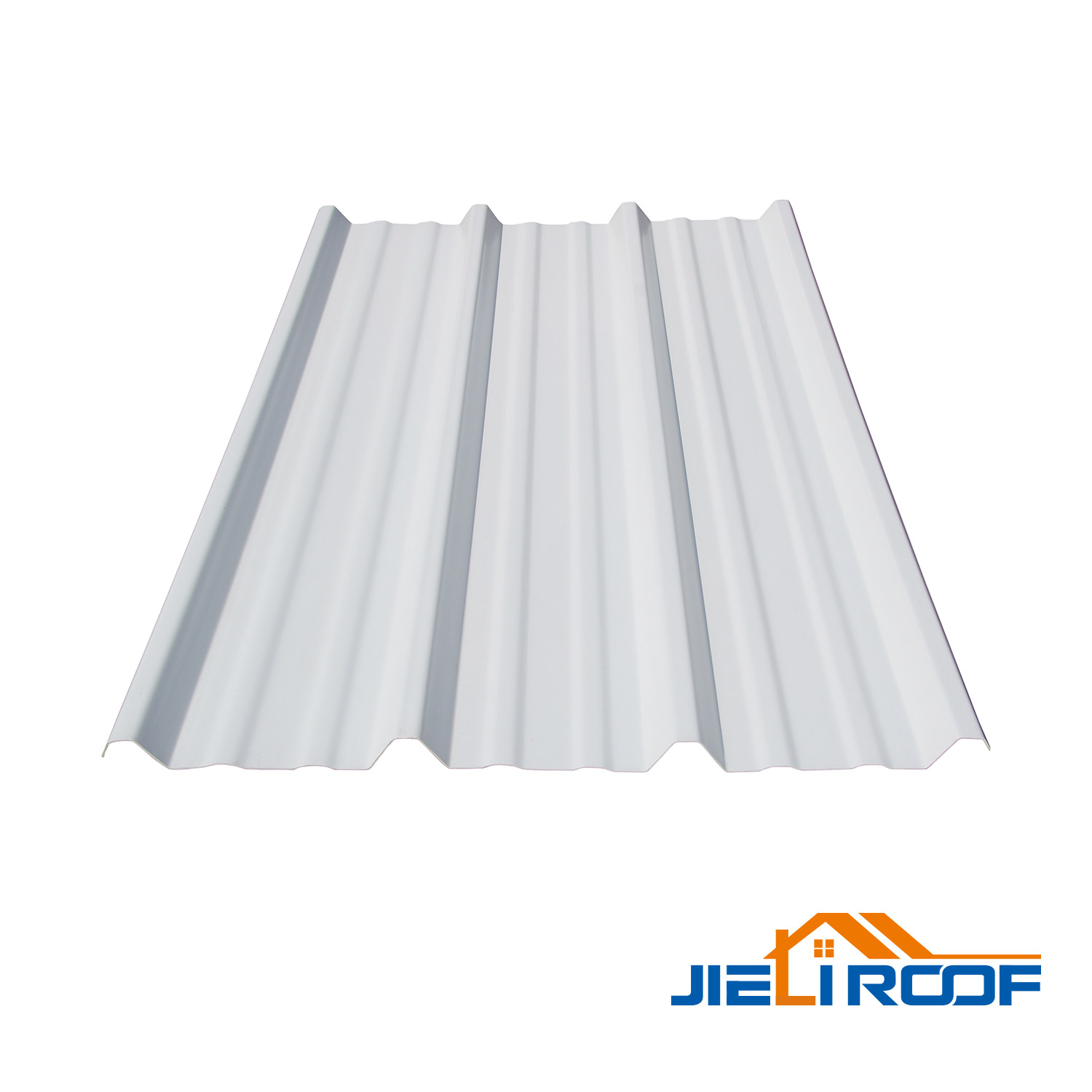
Jieli can support product discussion for TSP film-coated steel sheets and related roofing sheet products, including sample review for chemical corrosion concerns. For wider farm spans, TSP steel sheet trapezoidal 1050 can also be checked against the roof profile and maintenance target. The useful conversation is specific: disinfectant contact, ammonia pockets, thickness band, and expected maintenance cycle.
A Practical Decision For Harsh Farm Roofs
Not every farm roof needs TSP. A dry storage shed may not justify it. But buildings with frequent washdown, ammonia, disinfectant spray, and rusted, painted panels are different. They need disinfectant-resistant roofing that protects the steel and keeps the roof out of the repair cycle for longer. When roof corrosion has become part of the farm routine, the cheaper panel is often no longer the cheaper roof.
FAQ
Q1: How do disinfectants damage ordinary farm roof panels?
A1: Disinfectant mist, humidity, ammonia, and wash water reach coating weak points, especially at fasteners, laps, scratches, and cut edges.
Q2: Why is TSP steel roof sheet suitable for livestock buildings?
A2: Its film-bonded steel structure helps block corrosive media from the metal substrate, reducing rust risk in chemical and ammonia environments.
Q3: What should buyers confirm before choosing livestock roofing sheets for disinfection-heavy farms?
A3: Confirm disinfectant exposure, thickness range, 15% hydrochloric acid test data, warranty terms, profile fit, and sample performance.






 +86 0535 6278701 / +86 15653505862