HOME>NEWS>Why Goat Farm Roofs Need Better Corrosion Resistance Than Standard Metal Sheets
Why Goat Farm Roofs Need Better Corrosion Resistance Than Standard Metal Sheets
2026-09-02 00:00:18
SHARE TO:
Goat barns do not stay dry for long. Feeding, washing, bedding changes, and tight animal housing all put moisture into the air. That moisture then mixes with manure gas and cleaning residue. Standard painted metal sheets may look acceptable when they are new, but the weak points appear early around laps, screws, shaded ridges, and cut edges. For a goat barn, the real question is not only the sheet price. It is how well the roof keeps its shape and surface when ammonia, humidity, and repeated washing never really stop.
Why Goat Houses Put Metal Under Pressure
A goat house is rarely a gentle environment for roofing. The roof has to deal with animal heat, moist bedding, washdown water, and daily air movement. When ventilation is not perfect, ammonia settles high in the building and stays close to the roof surface. That is where ordinary metal roofing starts losing its margin.
Ammonia Builds Up Under The Ridge
Ammonia from manure and urine is one of the main reasons goat farm roofing gets damaged faster than expected. In a damp barn, the gas works with moisture and keeps the roof face under chemical pressure. If the coating is thin or inconsistent, the corrosion starts quietly. It usually shows first at fasteners and overlaps, not in the center of the panel. That is why corrosion-resistant roofing sheets matter more in goat barns than in dry storage buildings. The roof needs to resist a farm air cycle, not just bad weather on one afternoon.
The Weak Points Are Usually At The Edges
Farmers often watch the sheet surface and miss the problem points. The actual damage often sits at screw heads, side laps, ridge zones, and places where wash water lingers. Once rust starts, small stains become stains that spread. The roof may still stand, but the maintenance pattern has already changed. That is why farm roofing materials should be judged by how they behave at joints and fixings, not only by how the face looks on the delivery truck.
Why Cheap Sheets Usually Cost More Later
A low quotation can feel useful on the day of purchase. Later, the same roof may need patching, recoating, cleaning around rust spots, and extra calls from contractors. In livestock buildings, repair time is not free. It often hits feeding routines, animal comfort, and the normal cleaning cycle.
Small Rust Lines Become Repeat Visits
With standard metal, the first rust line is rarely the last one. Once the coating has opened at one point, the same pattern often appears on other panels. In this setting, that means more maintenance visits and more material lost to early replacement. Corrosion-resistant roofing sheets are not bought to make the roof look fancy. They are bought so the farm can stop paying for the same problem over and over.
Price Per Sheet Ignores Repair Windows
The sheet price by itself is incomplete. A building that has to stay in use during milking, feeding, or cleaning cannot always pause for roof work. If a roof patch fails again, the farm pays twice: once for the material and once for the interruption. That is where an ammonia-resistant roof sheet becomes easier to justify. The extra cost is tied to fewer leaks, fewer emergency repairs, and less time spent around wet and rusty roof lines.
What Better Corrosion Resistance Looks Like
A roof material should be judged by more than a marketing line. Buyers need a real comparison point. In goat barns, that means chemical resistance, water resistance, cleaning tolerance, and stable service in a humid building envelope.
UPVC Handles Farm Chemicals Better
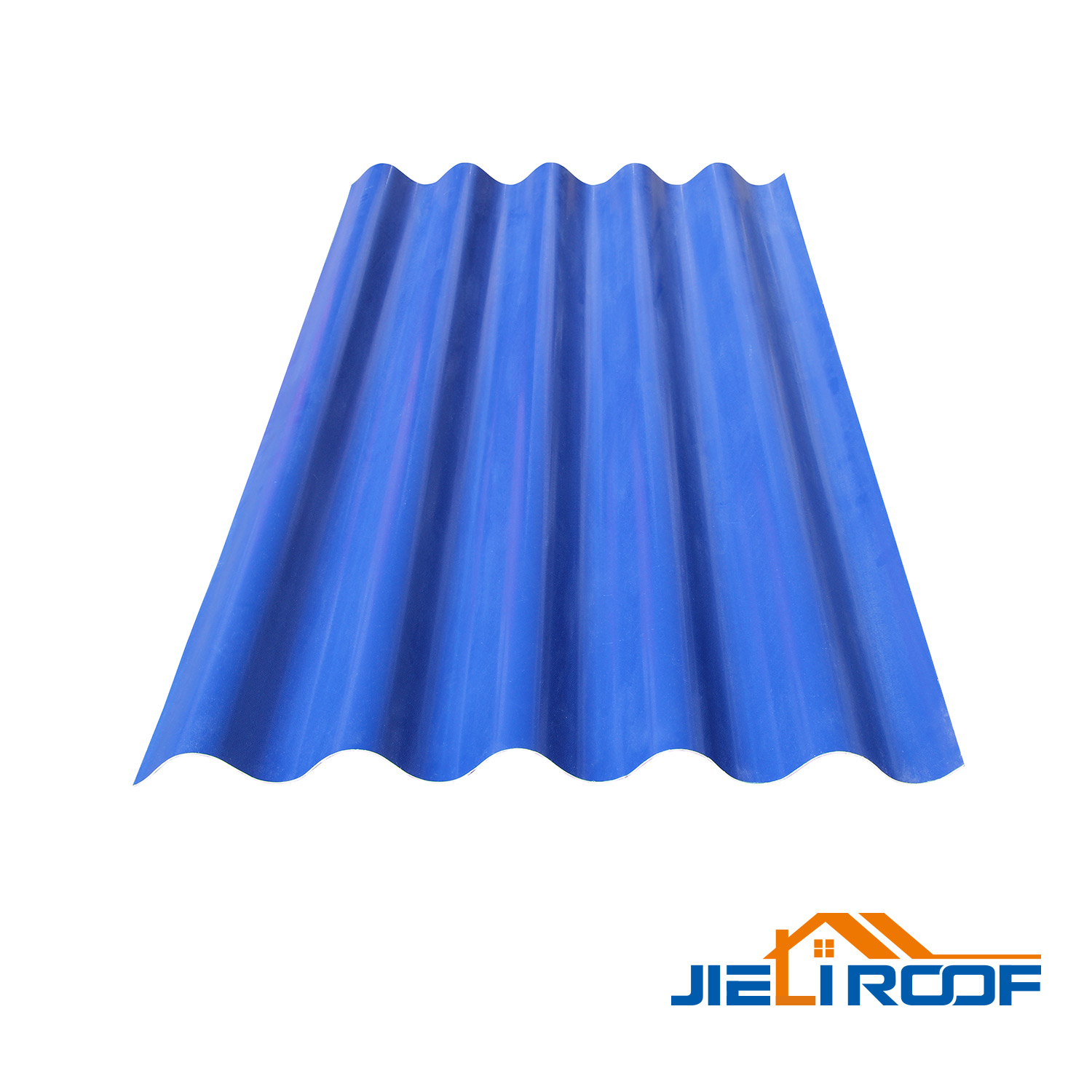
UPVC is a practical answer when the building needs a cleaner roof surface and less rust risk. Jieli has resistance to 5% sulfuric acid or 5% sodium hydroxide immersion, which gives buyers a more concrete way to compare corrosion claims. The material has an 8-10 year warranty. On top of that, UPVC roof material brings low thermal conductivity, around 0.325 W/m·K in the source record, compared with steel at about 53 W/m·K. That is not the main reason goat barns choose it, but it helps in hot weather and supports a calmer indoor environment.
Ask For Tests, Not Adjectives
A useful sample check should cover the panel face, edge quality, color stability, and how the sheet feels after simulated washing. If a supplier has lab support, ask how the sheet behaves after chemical exposure and long use. A product that stays stable under ammonia and washing is easier to maintain than one that only looked fine in a photo. For buyers comparing corrosion-resistant roofing sheets, the question is simple: will the roof still look like a roof after the farm has cleaned it many times?
Which Jieli Profiles Fit Goat Barns
Different goat barns do not all need the same profile. Some roofs want faster coverage. Some need a better match to purlin spacing. Some use a profile mainly because it behaves better in the local building system.
T940 And T1130 On Main Roof Areas
T940 is useful when the buyer wants a practical roof sheet with a clear width and common thickness options. T1130 gives a wider cover and can suit projects that prefer fewer seams across the roof area. Both fit the broad idea of a UPVC roof sheet for farm use, especially where the buyer wants a simple roofing solution with a stable supply and easy planning. The profile choice is not a style debate. It is about how the roof covers the building, how the joints behave, and how much future maintenance the farm is willing to carry.
BW920 For Ceiling Or Side Coverage
BW920 can be useful when the farm needs a different sheet shape for ceiling or side coverage. That matters in buildings where roof and wall areas carry different loads of moisture or dust. The point is not to push every building into one model. It is to keep the roof system simple enough for the farm to maintain later. When a buyer reviews a goat barn roof, the product list should be matched to the building layout, not to a single sheet name repeated everywhere.
What To Confirm Before Ordering
A better purchase decision usually comes from a short checklist. It is faster to ask the right questions before shipment than to solve a roof problem after animals are already under it. The same check helps separate durable farm roofing materials from sheets that only look economical at the quotation stage.
Samples, Cleaning, And Project Use
Ask for a sample and look at the surface after a simple cleaning test. Ask which chemicals the sheet can handle, what the warranty covers, and whether the model suits the building type. If the roof sits over a very wet goat house, the maintenance gap matters as much as the quoted price.
Jieli can supply product discussion, sample review, and practical model selection, which helps a buyer compare options without turning the buying process into a guess. The right UPVC roof sheet for farm buildings should be chosen against the actual cleaning routine, humidity, and roof layout.
A Better Roof Decision
Goat farm roofing should be chosen for long use, low rust risk, and manageable maintenance. If the roof keeps fighting ammonia and wash water, the building will spend more time being repaired than being used. A corrosion-resistant roof sheet gives the farm a better chance to stay ahead of that cycle. When the roof is doing its job quietly, the barn feels simpler to run. That is usually the sign the material choice was right.
FAQ
Q1: Why does goat farm roofing need better corrosion resistance than standard metal sheets?
A1: Goat barns carry ammonia, humidity, and regular washing. Those conditions attack ordinary metal fast, especially at laps, edges, and screw points.
Q2: Is UPVC a good ammonia–resistant roof sheet for goat barns?
A2: Yes. UPVC is commonly used where the buyer wants less rust risk, cleaner maintenance, and better resistance to farm chemicals and washdown.
Q3: Which profiles are worth checking first?
A3: T940 and T1130 are strong starting points for roof coverage, while BW920 can suit ceiling or side coverage in the same project.






 +86 0535 6278701 / +86 15653505862