HOME>NEWS>How To Choose Roofing Sheets for Mixed Livestock Farms With Pigs, Cattle, Poultry, and Sheep
How To Choose Roofing Sheets for Mixed Livestock Farms With Pigs, Cattle, Poultry, and Sheep
2026-09-08 00:00:56
SHARE TO:
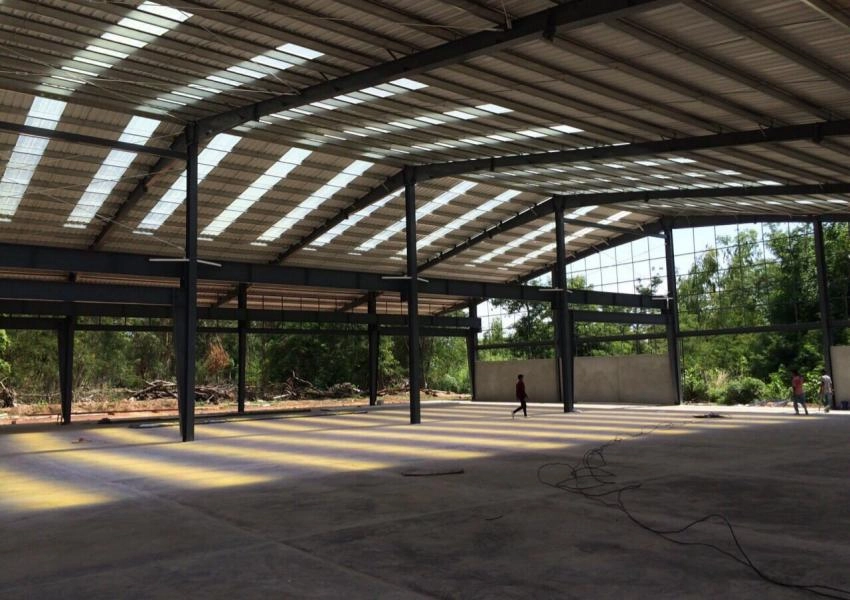
A mixed farm is harder on roofing than a single-purpose barn. Pigs bring heavy washdown and manure gas. Cattle houses carry warm moisture and long roof spans. Poultry sheds need fast cleaning between batches. Sheep housing can look drier, yet ridge zones still collect damp air. That is why a roof sheet should be chosen by room conditions, not by one generic farm label. For mixed livestock roofing, the roof is only part of the envelope. Side walls, ceilings, ridge airflow, and cleaning routes all decide how long the material stays useful.
Start With The Animal Area, Not The Sheet Name
The first useful step is to split the farm into zones. Each animal house creates a different mix of ammonia, water, temperature, dust, and cleaning frequency. A single sheet type can work across several buildings, but the specification should still respect those differences.
Pig Houses Need More Cleaning Tolerance
Pig barns usually place the roof under steady pressure from humidity and frequent washing. Manure pits, wet floors, and disinfectant routines push moisture into the roof space, especially when air exchange is uneven. Ordinary painted steel often starts to show rust near fasteners, laps, and shaded eaves.
For this part of the project, livestock roofing sheets should be checked for chemical resistance and easy cleaning. UPVC does not rust, and its dense surface helps reduce dirt buildup after rinsing. It also gives buyers a better option when the farm wants fewer repainting or patching visits.
Cattle And Poultry Houses Stress The Roof Differently
Cattle barns may have wider roof planes and warmer indoor air. Condensation can collect under a thin metal roof if the building breathes poorly. Poultry houses add another problem: fast turnaround between flocks. Cleaning and disinfection may be frequent, and roof leaks can quickly become hygiene concerns. The same farm may therefore need different checks for the main roof, ceiling panels, and roof and wall cladding for farms. A buyer is not only buying panels. The goal is a building skin that can take animal moisture without turning each cleaning cycle into a roof maintenance problem.
Why UPVC Fits Mixed Livestock Roofing
UPVC is often chosen because it handles several farm pressures at once. It is not a decorative upgrade. It is a practical material for wet, corrosive, noisy, and warm livestock buildings where painted metal needs more care than the farm expected.
Corrosion Resistance Comes First
In livestock buildings, ammonia from manure and urine mixes with moisture and creates corrosive conditions. Jieli’s UPVC test records include no change after exposure to 5% sulfuric acid or 5% sodium hydroxide solution, which gives buyers a concrete way to judge acid and alkali resistance. The warranty period is at 8-10 years for UPVC, with normal service life discussed separately. That matters for pigpens, cattle feeding alleys, poultry washing areas, and sheep barns with damp ridge air. The material also avoids the basic failure mode of metal sheets: rust. Once ordinary metal begins to rust around screws and overlaps, the repair cycle tends to return.
Heat, Noise, And Condensation Still Matter
Hot weather is another reason to look beyond a low sheet price. UPVC has low thermal conductivity, around 0.325 W/m. K in the project data. The roof surface can still heat up under summer sun, but the material does not pass heat through like metal. The same material also helps reduce rain noise and condensation risk. In a mixed-animal roof plan, this has a practical value: animals rest better, feeding areas stay drier, and contractors are less likely to be called back for noise, dripping, or rust complaints.
Match Profiles To Roof And Wall Areas
Profile selection should come after the building is divided by use. Main roof areas, side cladding, ceiling surfaces, and wider sheds do not always need the same shape. Keeping a short product list usually helps procurement, but forcing one profile everywhere can create its own problems.
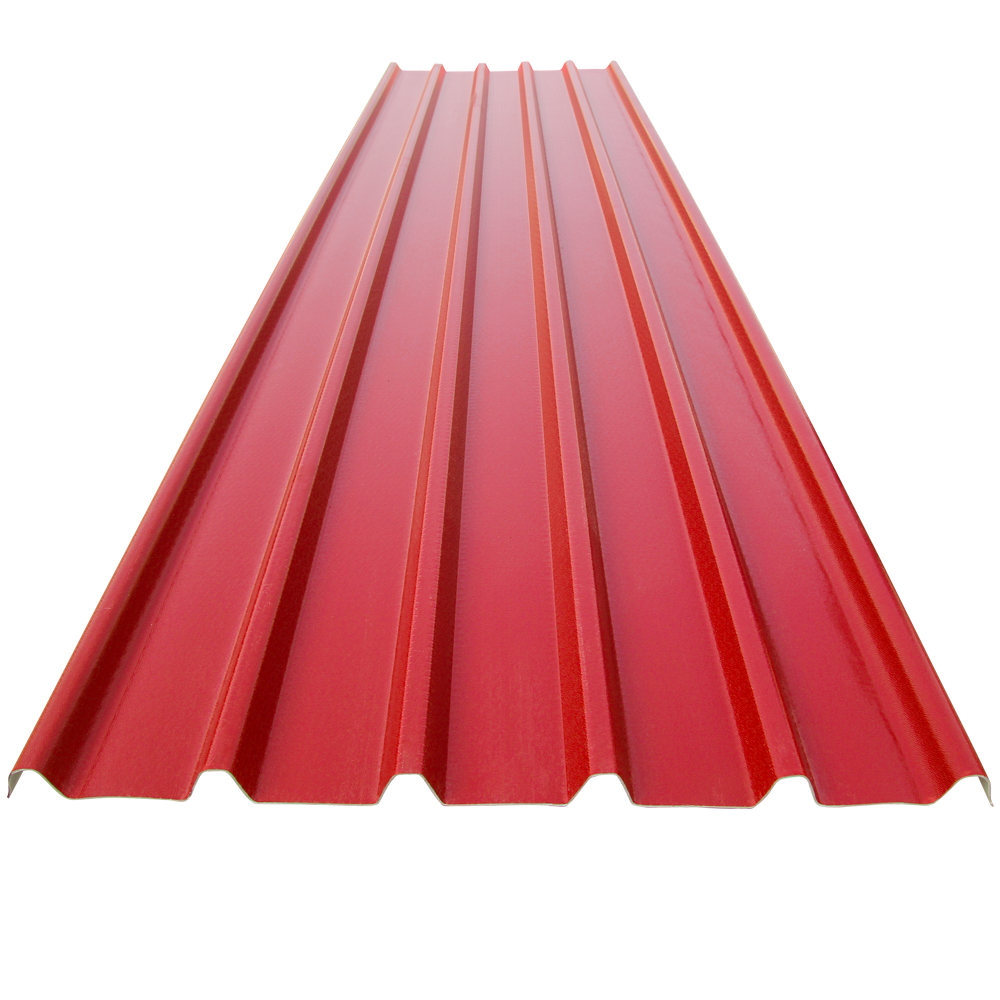
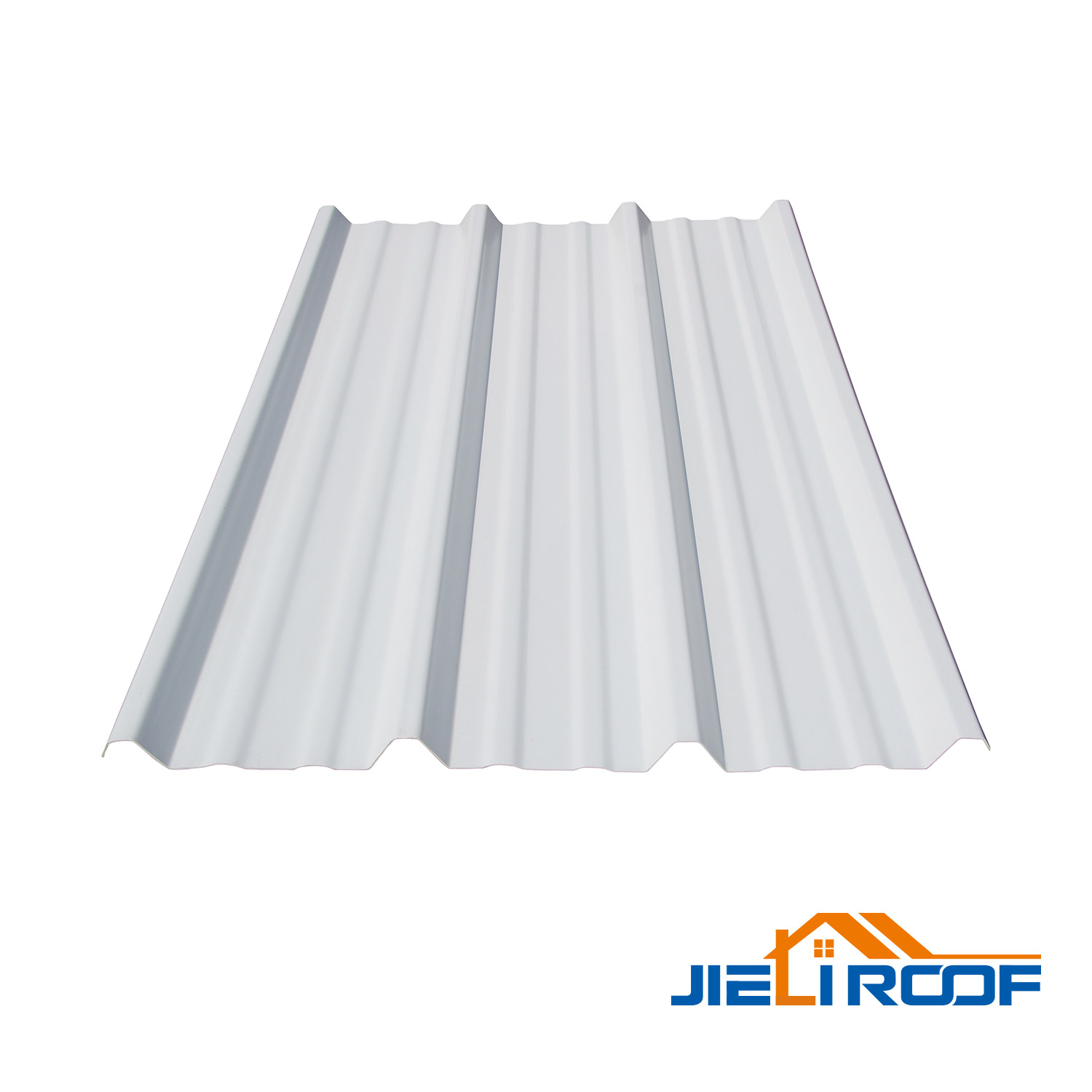
T940 And T1130 For Main Roof Planning
T940 is a common starting point for a UPVC roofing sheet in farm roofing. Its listed width is 940 mm, with an efficient width of 880 mm, customized length, and common thickness options of 2.0 mm, 2.5 mm, and 3.0 mm. T1130 gives a wider sheet, with 1130 mm width and 1050 mm efficient width, which may suit larger roof planes where fewer side laps are preferred. These details are useful when comparing farm buildings with different bay widths. The best choice is not always the widest sheet. It is the profile that fits the roof layout, purlin rhythm, transport plan, and maintenance expectations.
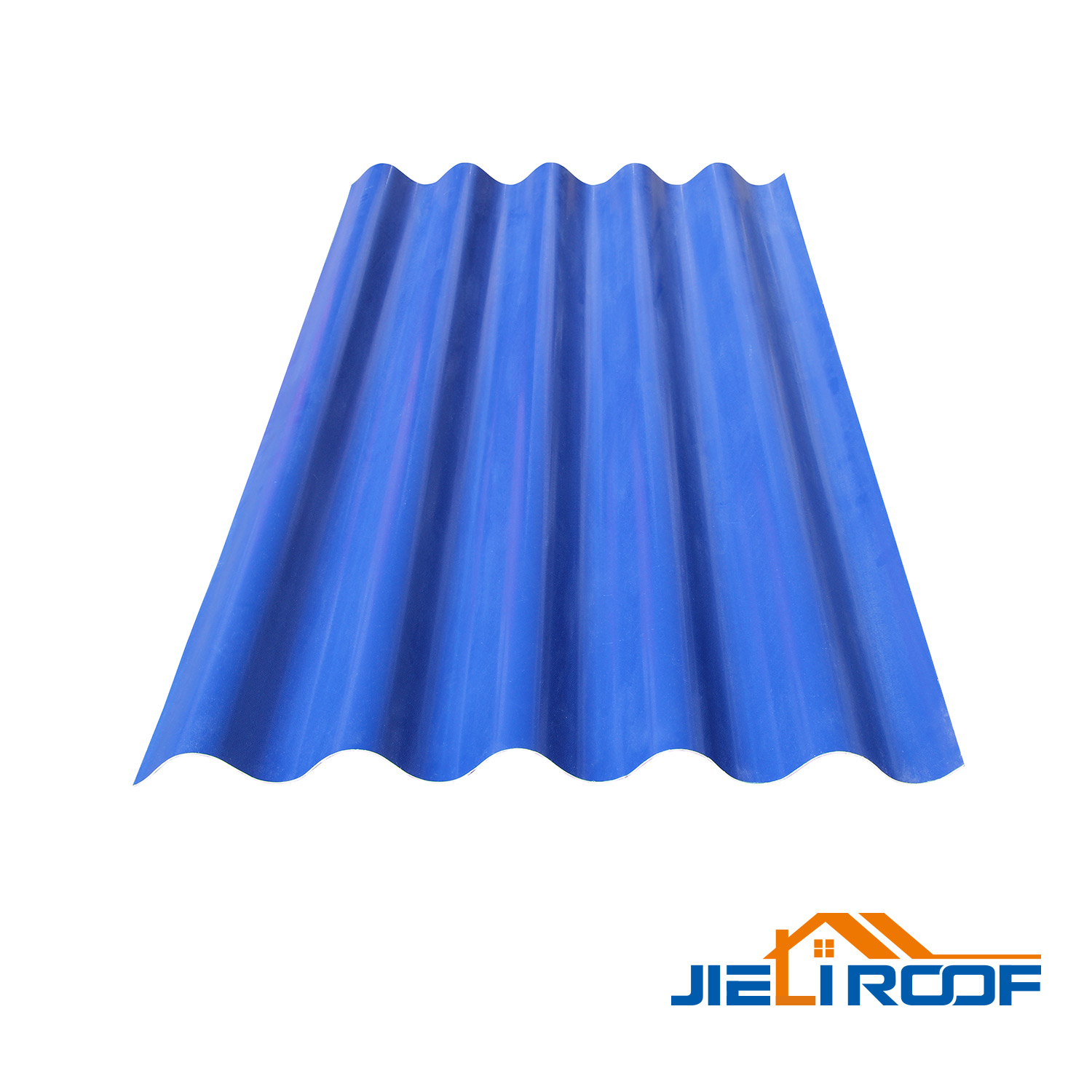
BW920 For Cladding Or Mixed Envelope Work
Some projects need roof and wall cladding for farms in the same purchase. BW920 can be considered where the farm wants a corrugated profile for roof, ceiling, or wall panel use. The buyer should confirm the required thickness with the application. A mixed livestock site may use one profile for the main roof and another for wall or ceiling areas. That is normal. It can make cleaning easier and help the envelope respond to different wet zones inside the same farm.
Check Maintenance Cost Before The Order
The cheap option can look fine during quotation. It becomes less attractive when it needs coating repair, screw replacement, leak checks, or early panel replacement. Mixed farms feel that they cost more quickly because one damaged roof can disrupt several animal routines.
Cleaning Cycles Reveal Weak Materials
A useful buyer check is simple: ask how the sheet behaves after repeated washing and disinfectant contact. A material that looks acceptable after delivery may still fail after months of wet ammonia exposure. Edges and fastener areas deserve special attention because they are often the first places to show trouble. That choice is easier to justify when it cuts down that repeat maintenance. It does not need repainting to hide rust, and its smooth surface supports regular cleaning without peeling like weak coatings.
Wall And Ceiling Areas Affect Hygiene Too
Roof leaks are easy to notice. Wall cladding problems are slower. Damp lower walls, stained ceiling panels, and dirty interior surfaces can still add hygiene pressure to the building. For mixed farms, roof and wall cladding for farms should be checked together because animals, feed, and cleaning water do not respect product categories. A farm that chooses panels only by roof coverage may miss the surfaces contractors need to clean most often. A better specification looks at the whole enclosure.
Where Jieli Products Fit The Specification
Jieli can support model discussion for farm roofs, ceiling panels, and wall panels. For buyers comparing roofing sheet products, the key questions are profile, thickness, color, length, and how samples behave after cleaning. The company has 22 production lines and a material testing center, which is useful when buyers care about batch stability.
A Practical Buying Decision
Mixed livestock farms should choose the roof around the wettest, dirtiest, and hottest parts of the site. A UPVC Roofing Sheet that can handle pigs, cattle, poultry, and sheep without rust, fading, or regular recoating makes the maintenance plan easier to manage. The right specification will not make the barn maintenance-free. It should make roof problems less frequent, easier to inspect, and less likely to interrupt daily farm work.
FAQ
Q1: Is this sheet suitable for pigs, cattle, poultry, and sheep on one farm?
A1: Yes. It is suitable when the specification is matched to each house, especially humidity, ammonia, washing, and roof or wall use.
Q2: How should buyers compare livestock roofing sheets for mixed farms?
A2: Compare chemical resistance, cleaning tolerance, heat transfer, condensation behavior, profile width, thickness options, and long-term maintenance cost.
Q3: Can Jieli help choose profiles for mixed livestock roofing?
A3: Jieli can support sample review and model selection for roof, ceiling, and wall panel applications, including T940, T1130, and BW920.






 +86 0535 6278701 / +86 15653505862