HOME>NEWS>Why Premium PVC Compound Is Essential For Weather Resistant Roofing In 2026?
Why Premium PVC Compound Is Essential For Weather Resistant Roofing In 2026?
2026-04-23 14:02:56
SHARE TO:
Many manufacturers assume that difficult UPVC roof sheet production is mainly an equipment problem. In practice, the more persistent issues usually begin earlier, in raw material control. When batches behave differently, when on-site mixing takes too much time, or when extrusion results depend too heavily on operator experience, production becomes harder to stabilize and more expensive to scale.
That is why material strategy matters in 2026. A factory that wants consistent output does not only need a working line. It needs a raw material system that reduces formulation errors, shortens start-up time, and makes quality easier to repeat. In many cases, that is where PVC compound becomes a practical manufacturing solution rather than just another material option.
Why Many Factories Still Struggle With UPVC Roof Sheet Production
Quality problems often start before extrusion
When sheet quality varies from batch to batch, the visible symptoms usually appear at the end of the line: unstable surface finish, uneven rigidity, color variation, or changing processing behavior. The real cause, however, often starts upstream. In a complex UPVC sheet manufacturing process, small differences in formulation, mixing order, additive balance, or operator handling can quickly turn into production instability.
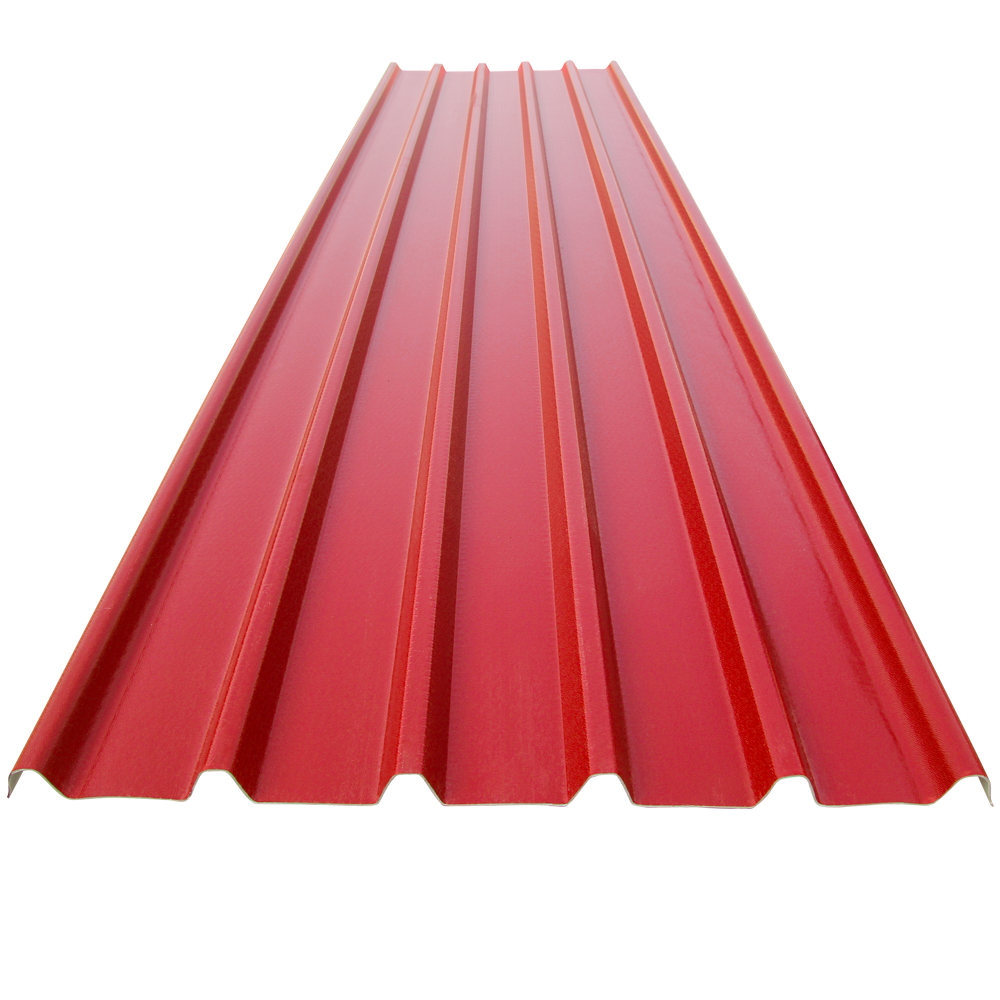
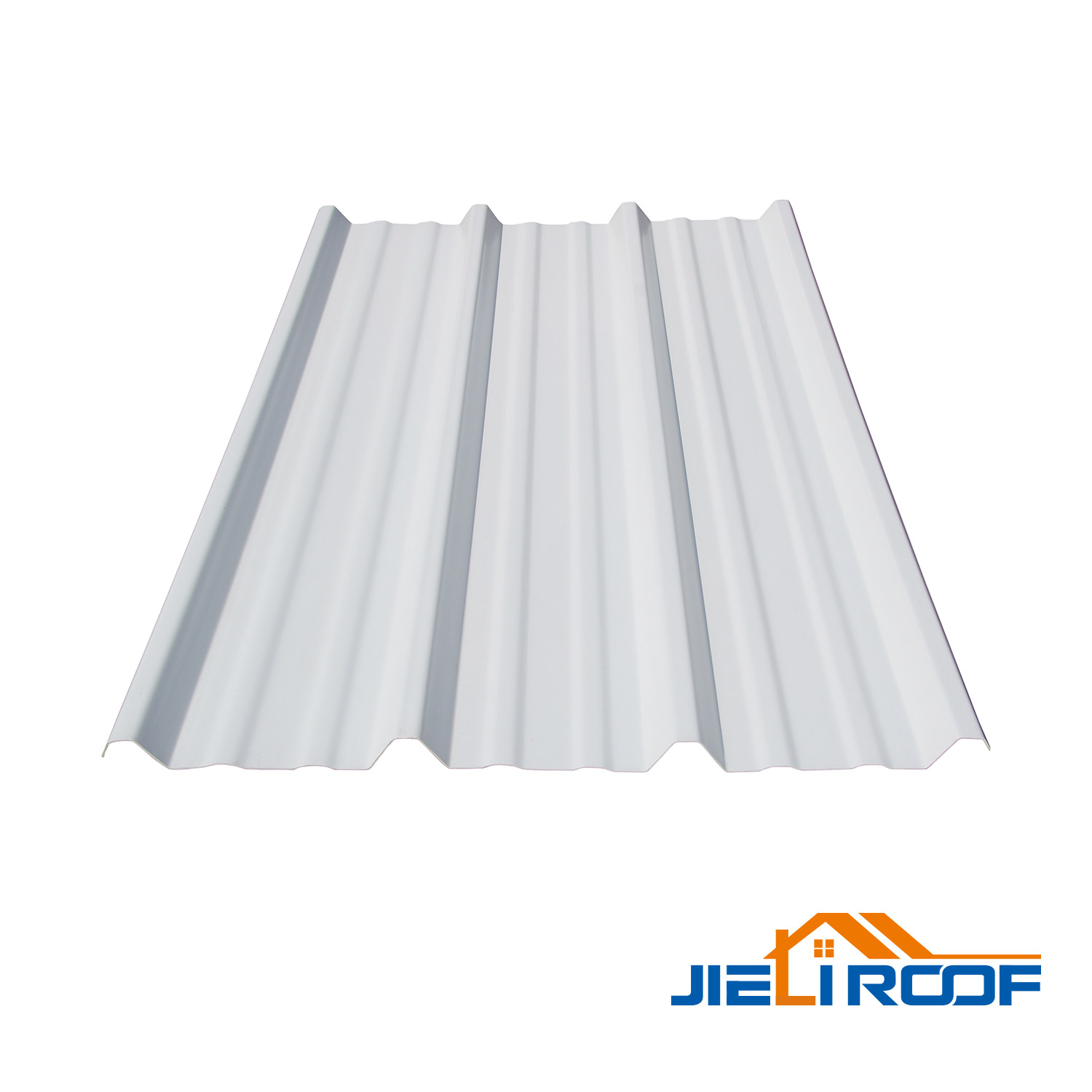
This is especially important for roofing applications. UPVC roof sheets are expected to deliver heat insulation, sound insulation, corrosion resistance, and reliable outdoor durability. If the raw material system is not stable, the finished product cannot maintain the same performance level from batch to batch. PVC- and UPVC-based roofing systems are widely used for residential, industrial, and commercial roofing and wall cladding because they provide heat and sound insulation, resist rust, and perform well in chemically demanding environments.
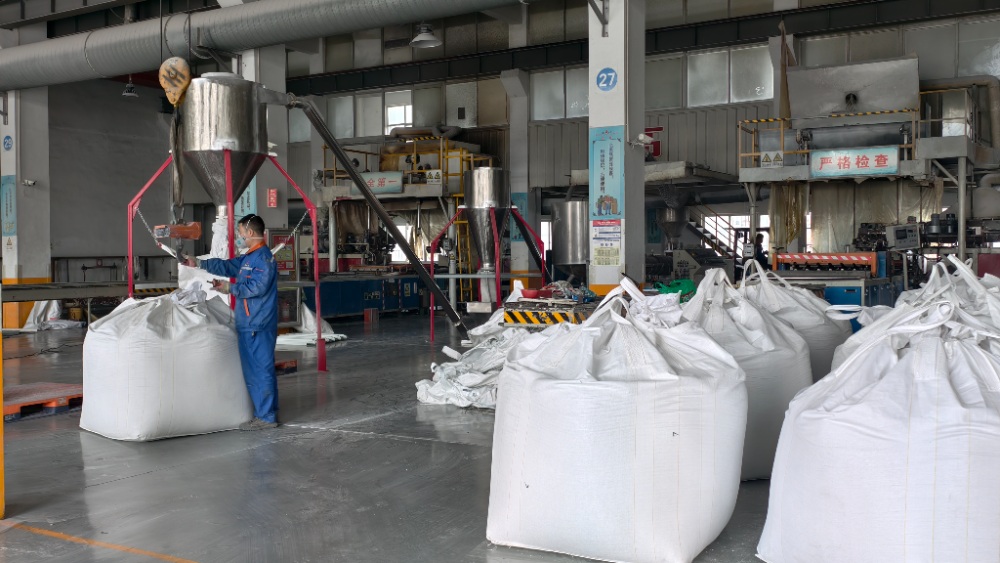
Many plants still use a traditional preparation model: PVC resin powder is purchased first, then stabilizers, lubricants, and other additives are added and controlled on site. That model can work, but it also creates more variables. Operators must manage weighing accuracy, blending consistency, processing discipline, and formula repeatability. The more manual steps involved, the higher the risk of variation.
For factories that are still building their technical team, this creates a clear burden. Production does not only depend on machinery. It depends on whether the plant can repeatedly execute the same formula under real operating conditions.
The lowest material price is rarely the lowest production cost
A lower initial raw material price may appear attractive, but it often ignores the cost of instability. Repeated trial runs, scrap, shutdowns, training needs, rework, and customer complaints all add cost that is not visible in the first quotation. For B2B manufacturers, the more relevant question is not only “What is the cheapest formula?” but also “What is the most controllable route to stable output?”
Why Traditional Raw Material Preparation Often Becomes a Bottleneck
Traditional in-house formulation offers flexibility, but it also requires stronger technical capability. A factory must understand how each component affects fusion, flow, rigidity, weather resistance, and end-use performance. That challenge becomes greater when the same plant wants to serve multiple climates or multiple product lines.
In 2026, this matters more than before because roofing markets are asking for more than basic sheet production. Buyers increasingly care about UV stability, corrosion resistance, outdoor durability, and product consistency across hot, humid, coastal, and industrial environments. A formula that works in one market may not be the right UPVC raw material strategy for another.
This is one reason why many new factories, and even established building-material plants adding a new line, struggle during early scale-up. They do not necessarily lack production ambition. They lack a simpler and more repeatable raw material route.
What a Simpler Raw Material Route Looks Like
A more practical route is to start with a pre-formulated material rather than building the entire formula from scratch. In simple terms, PVC compound is a modified raw material made from PVC resin powder plus stabilizers, lubricants, and related additives through mixing, extrusion, and granulation. It is designed for direct use in PVC product manufacturing rather than repeated on-site formulation.
For a production manager, the benefit is straightforward. A pre-formulated material reduces formulation burden inside the plant. It can narrow process variation, make line behavior easier to predict, and lower the technical threshold for stable operation.
A well-developed PVC compound offers stable formulation, consistent quality, and suitable processing performance for extrusion and forming. It can also be adjusted by application, including outdoor requirements such as weather resistance and UV resistance. This makes it more relevant for roofing manufacturers than a generic resin-only approach.
That is why PVC Compound for UPVC roof sheet production are not simply a packaging choice. They represent a different production model. Instead of managing every additive balance internally, the factory begins with a more standardized input.A practical next step is to compare the current formulation route with ready-to-use PVC compound for roofing production under actual factory conditions.
Traditional Preparation Versus PVC Granules for UPVC Roof Sheet Production
Under the traditional model, the factory purchases PVC resin and supporting additives separately, then builds the formula internally. This can be suitable for plants with strong material engineering capability, mature process control, and time for repeated development cycles. It is less efficient for plants that need a faster commercial path.
This route also requires better control over people, process discipline, and testing. If any part of the mixing and formulation cycle is inconsistent, the production line will usually show the consequences later through unstable extrusion, avoidable scrap, or variation in finished sheet performance.
Pre-formulated granule route
With PVC granules for UPVC roof sheet production, the plant starts from a material that is already processed for direct manufacturing use. That reduces internal mixing work and makes the process easier to standardize. For many factories, this improves line start-up efficiency and lowers dependence on manual formulation accuracy.
The difference is not theoretical. It affects routine production decisions every day: how quickly a line reaches stable output, how easily operators can repeat previous results, and how much time must be spent correcting formulation-related issues rather than producing saleable sheets.
How the Right Material Choice Makes Production Easier
More stable extrusion behavior
A stable formula supports more stable UPVC roof sheet extrusion. When the incoming material behaves consistently, operators can spend less time compensating for variation and more time optimizing throughput and product quality. That is particularly useful for manufacturers trying to balance production efficiency with external performance targets.
Faster development of new roofing products
The easier the base material is to control, the easier it becomes to expand beyond a single item. This matters for factories planning to move from standard roofing sheets into adjacent products or more specialized roof systems. A producer that wants to add ASA surface systems or evaluate synthetic resin tile raw material options usually benefits from a simpler core formulation route at the start.
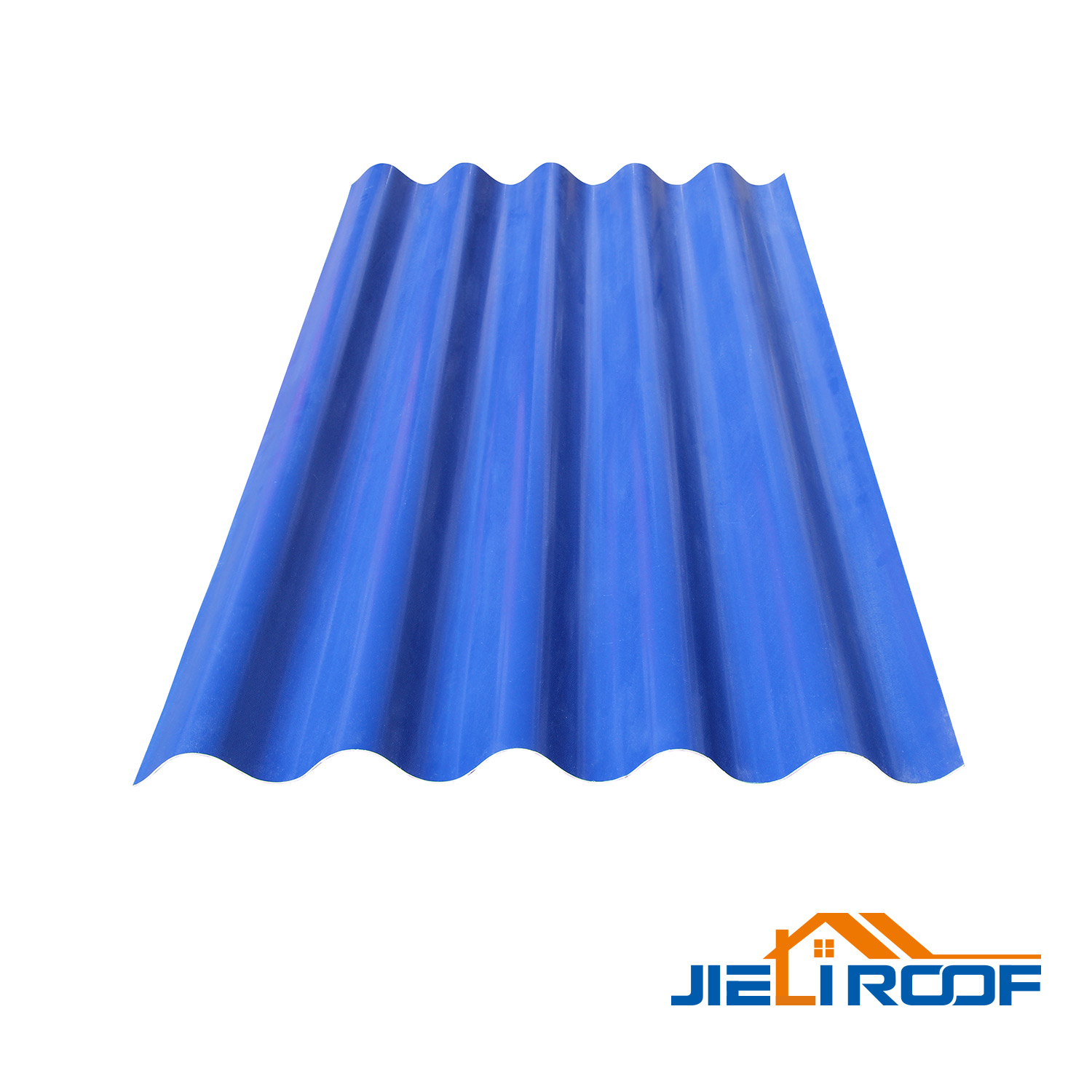
PVC compound is also suitable for UPVC roofing tiles and ASA synthetic resin tile production. That makes it more useful for manufacturers that want one raw material strategy to support both current products and future expansion plans.
Better fit for climate-specific requirements
Roofing materials are not judged only by appearance. They must perform under sunlight, humidity, rain, and corrosive exposure. A practical raw material system must therefore align with the destination market. Factories supplying Africa, the Middle East, and South America often need a different balance of processing stability and outdoor performance than factories serving milder environments.
A customizable compound route is useful here because it allows the factory to work from a more targeted formulation instead of forcing one standard mix into every climate and application.
Lower technical pressure for new factories
For a new plant, raw material complexity can delay commercial progress. A ready material system does not eliminate process management, but it can make it easier to establish a repeatable baseline. That is particularly relevant when the goal is not academic formula development, but faster and more reliable market entry.For new plants or expanding manufacturers, testing PVC Compound developed for UPVC roof sheet production can reduce trial-and-error during line setup.
What Buyers Should Check Before Choosing UPVC Raw Material
Fit with the target product
Not every formula is suitable for every roofing application. Buyers should confirm whether the material is designed for roofing sheets, whether outdoor performance can be adjusted, and whether the processing behavior matches the intended line conditions.
Ability to support different markets
A strong supplier should not treat every market as identical. Climate, sunlight, humidity, and end-use conditions vary. A compound developed for export roofing applications should be able to adapt to different regional requirements, especially where heat, UV exposure, and corrosive environments create stricter demands on long-term performance.
Sample testing and quality control
A supplier should be able to support validation before volume commitment. Sample testing is important because it shows how the material performs on an actual line rather than in theory alone. Strict quality control is equally important. Stable material quality depends on control over raw material selection, formula consistency, processing, and finished-product verification.
Manufacturing understanding, not only material supply
A supplier is more useful when it understands the downstream product. Jieli has been producing building-material products since 1992, including PVC roof sheet, UPVC roof sheet, ASA UPVC roof sheet, ASA synthetic resin roof tile, fiber glass reinforced UPVC roof sheet, and ASP steel roof sheet. This manufacturing background makes it easier to connect raw material performance with finished roofing requirements instead of treating compound supply as an isolated transaction.
Factories that need both material stability and production-oriented support can review Jieli’s roofing manufacturing background alongside the compound solution itself.
Why Roofing Experience Matters in PVC Compound Selection
A general resin supplier may be able to offer material, but roofing production places more specific demands on formulation. Processing stability matters, but so do long-term durability, outdoor performance, and application fit.
A roofing-focused manufacturer understands these issues more directly because the same material decisions affect actual roof sheet performance in the field. This is particularly important when the target products are exposed to harsh sunlight, industrial air, humidity, or coastal conditions. In that environment, weather resistant PVC compound is not a marketing phrase. It is a practical requirement.
Jieli’s experience in roofing production is relevant here. The company has long been active in PVC and UPVC roofing systems and operates its own testing lab for raw material, formula, production, and finished-product checks. That type of setup helps keep quality under control across the entire production chain rather than only at the material quotation stage.
When Service Matters as Much as Formula
Raw material selection does not end with the first batch. Many factories also need support in sample evaluation, application matching, and technical discussion. For manufacturers planning a new line or adding a roofing product, that kind of support can make the material decision easier to implement in real production.
Conclusion
The easiest path to better UPVC roof sheet production is rarely based on equipment alone. It usually comes from reducing avoidable complexity at the raw material stage. When formulation work is too fragmented, production becomes harder to standardize, harder to scale, and more expensive to correct.
A more efficient approach is to choose a material route that supports repeatability from the beginning. For many factories, that means evaluating PVC compound as a direct manufacturing solution rather than treating in-house formulation as the default option. For new plants, expanding roofing producers, and manufacturers assessing UPVC raw material for more stable output, that shift can make production simpler, faster, and easier to control.
Where technical discussion, sample testing, or application-specific review is needed, working with a supplier that understands both the material and the finished roofing product makes the process more efficient. Service becomes even more valuable when the production goal is not only to run a line, but to run it with stable quality and lower operating risk.
Factories that want to move from repeated trial runs to a more standardized raw material route can start by reviewing the product details here and learning more about Jieli’s manufacturing capabilities.
FAQ
Q: Is PVC compound always better than preparing the full formula on site? A: Not in every case. Plants with mature formulation teams and strong process control may still prefer full in-house preparation. However, many manufacturers choose PVC compound because it reduces formulation complexity and makes production easier to standardize.
Q: Who is the most suitable user of PVC granules for roofing production? A: New factories, expanding building-material plants, and producers adding new roofing products often benefit the most. A pre-formulated route is also useful for companies that want to shorten development time and reduce dependence on manual formulation accuracy.
Q: What should buyers confirm before testing a synthetic resin tile raw material or roofing-grade compound?
A: Buyers should check whether the material matches the target product, whether outdoor performance can be adjusted for the destination market, whether sample testing is available, and whether the supplier has practical experience with finished roofing applications rather than only generic resin supply.






 +86 0535 6278701 / +86 15653505862

 Many manufacturers assume that difficult UPVC roof sheet production is mainly an equipment problem. In practice, the more persistent issues usually begin earlier, in raw material control. When batches behave differently, when on-site mixing takes too much time, or when extrusion results depend too heavily on operator experience, production becomes harder to stabilize and more expensive to scale.