HOME>NEWS>UPVC Roofing Sheet Price: What Affects Cost Before Bulk Orders?
UPVC Roofing Sheet Price: What Affects Cost Before Bulk Orders?
2026-06-25 00:24:06
SHARE TO:
The UPVC roofing sheet price is not decided by one simple number. For a bulk order, the final cost depends on sheet thickness, profile design, effective width, length, color, surface layer, accessories, packing, shipping, and project requirements. A lower quotation may look attractive at first, but it does not always mean a lower project cost.
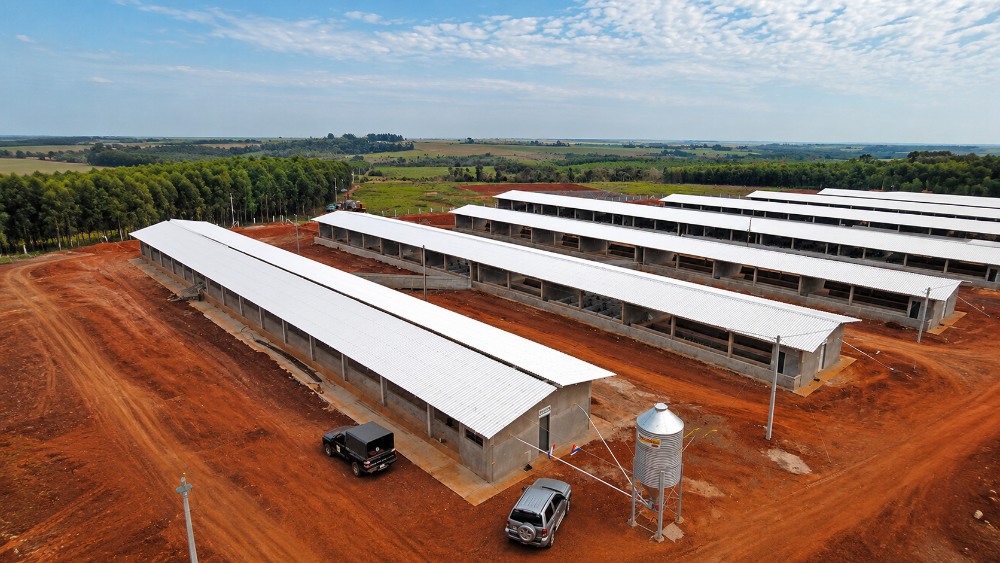
For factories, warehouses, farms, commercial buildings, and roof replacement projects, buyers should compare the full roof system rather than only the sheet price. The right UPVC roofing sheet should match the building use, local climate, roof structure, and expected service life. This is why a serious quotation usually starts with specifications, not only with quantity.
Why UPVC Roofing Sheet Price Is Not Fixed
A roof sheet is not a small standard part that can be priced in one line. Even when two suppliers quote the same product name, the actual sheet may differ in thickness, width, usable coverage, layer structure, color, and accessories. These details directly affect material use and final roof coverage.
Project Type Changes the Specification
A small storage roof, a poultry house, a chemical workshop, and a large factory roof do not always need the same sheet. Some projects focus on corrosion resistance. Some care more about heat insulation, noise reduction, or longer roof span. Others need matching wall cladding or special accessories.
UPVC and PVC roof sheets are used for roofing and wall cladding in residential, industrial, and commercial buildings. This wide application range means the price must reflect the actual job. A quotation for a farm building may not be suitable for a high-temperature workshop or a coastal warehouse.
Bulk Orders Change the Cost Structure
A bulk order can improve production planning and container loading, but it also requires more accurate calculations. Buyers need to confirm not only how many sheets they want, but also the effective width, overlap loss, sheet length, profile type, accessory list, and destination.
For large projects, a small mistake in width or overlap can create extra purchase volume. A low unit price can lose value if the buyer needs more sheets to cover the same roof area.
Main Factors That Affect UPVC Roofing Sheet Price
Several factors have a direct effect on roofing sheet cost. Buyers should check them one by one before confirming a large order.
Thickness and Material Use
Thickness is one of the most visible cost factors.Jieli’s UPVC roof sheet thickness options include 1.5mm, 2.0 mm, 2.5mm, and 3.0mm. In general, thicker sheets use more material, so the price usually changes with thickness.
However, thicker does not always mean better for every project. The right thickness should match the roof structure, purlin distance, local weather, expected load, and budget. A standard warehouse may not need the same thickness as a roof exposed to stronger winds, frequent rain, or more demanding industrial conditions.
For this reason, the UPVC roofing sheet price should be compared with the project environment. A buyer looking only for the lowest thickness may reduce the initial cost but create more risk later.
Profile Design and Effective Width
The visible width of a sheet is not the same as the effective coverage width. Different profiles have different total widths, efficient widths, wave shapes, and recommended purlin distances. These details change how many sheets are needed for the same roof area.
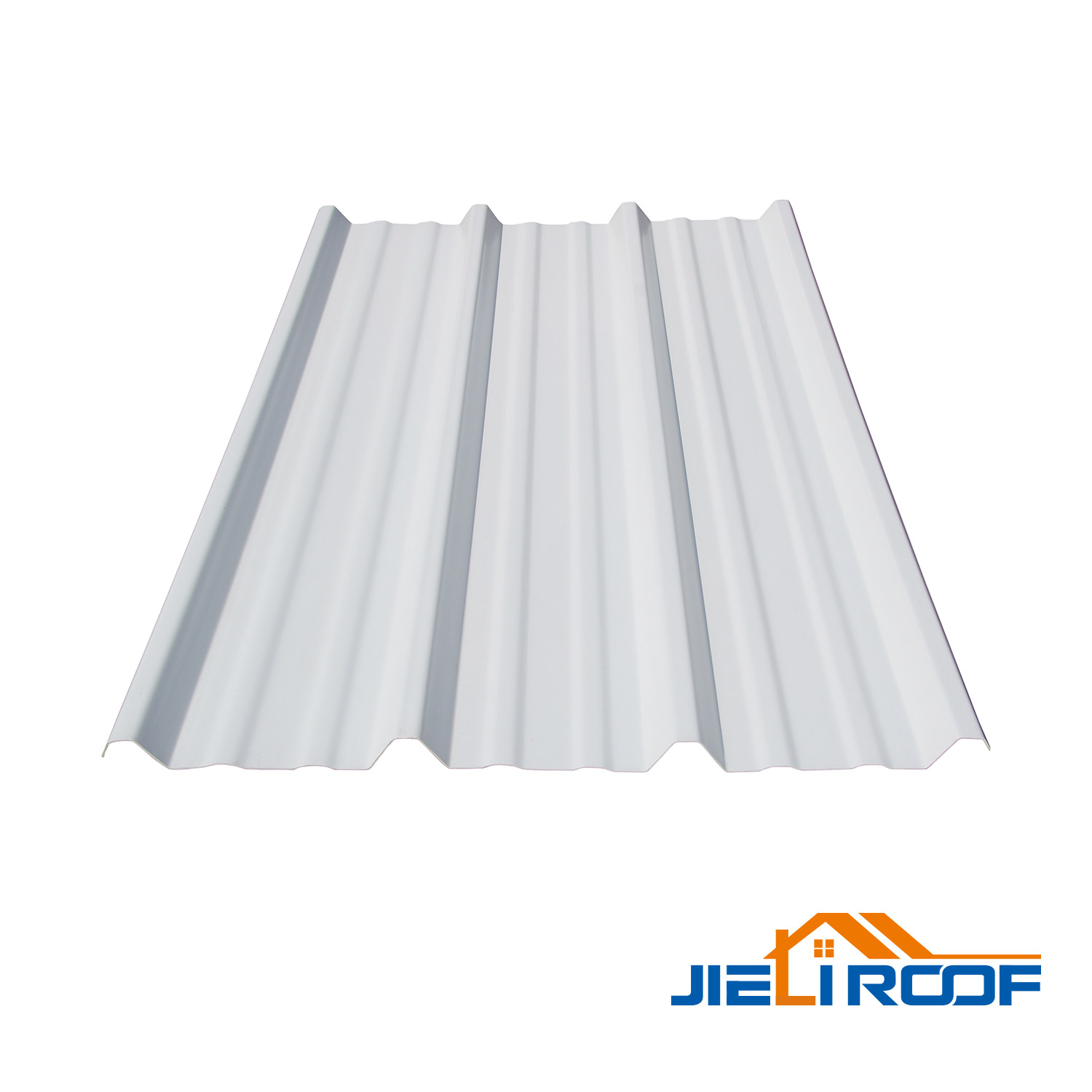
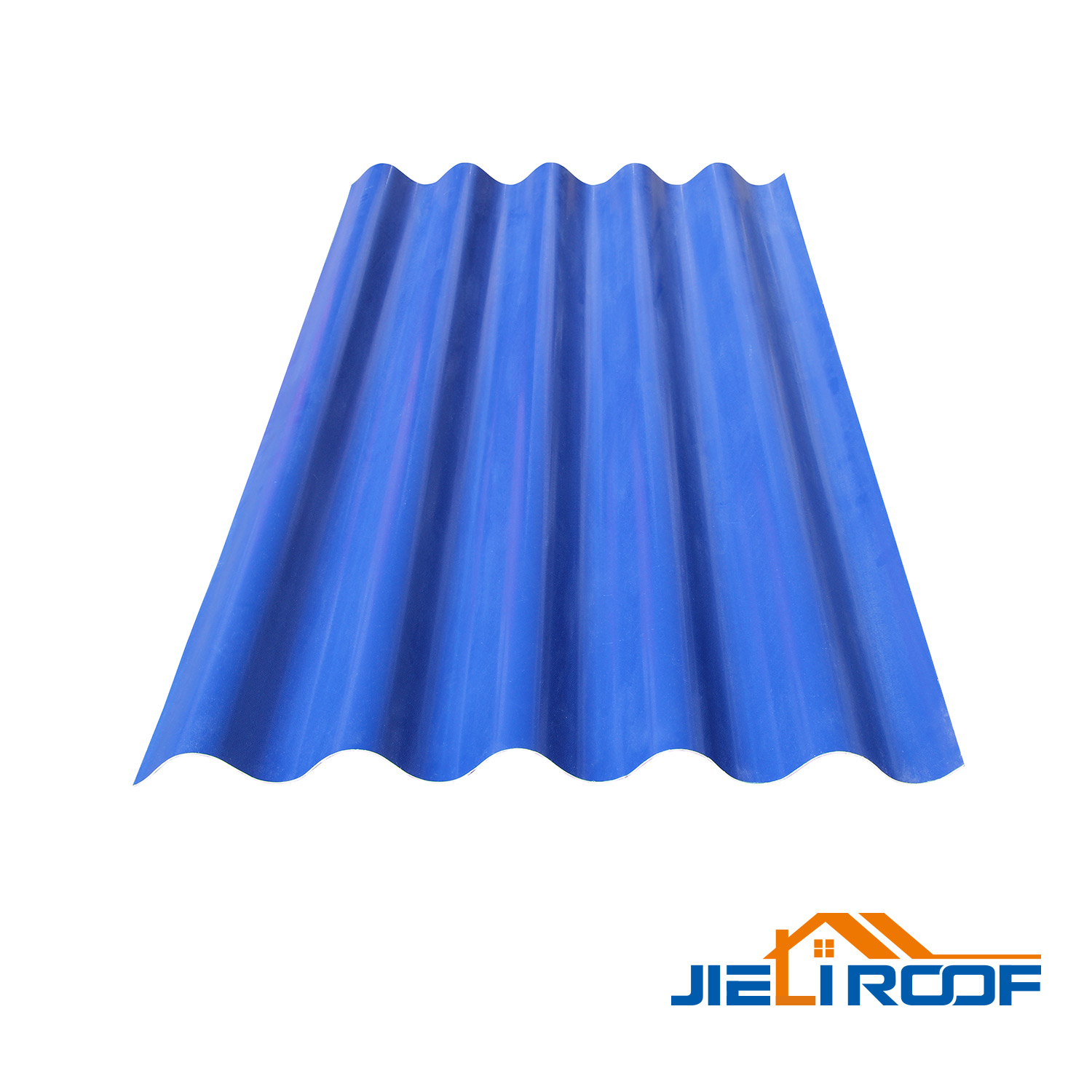
For example, trapezoidal UPVC roofing sheet profiles such as T940, T1130, T900, T1088, and T720 have different widths and efficient width values.
This is why buyers should not compare only the price of one sheet. A sheet with a lower unit price may have less effective coverage. The better comparison is cost per usable roof area after overlap.
Custom Length and Color
Length and color can also affect the quotation. Jieli’s roof sheet length and color can be customized, while the width is fixed by the profile design. Custom length can help reduce cutting waste and make the roof layout cleaner, especially for project-based orders.
Still, the custom length should be planned carefully. Long sheets may reduce joints, but they may also affect packing, loading, transportation, and site handling. Special colors may also require production planning. Before a bulk order, buyers should provide roof dimensions and confirm whether a standard or customized length is more suitable.
ASA Surface Layer and Outdoor Durability
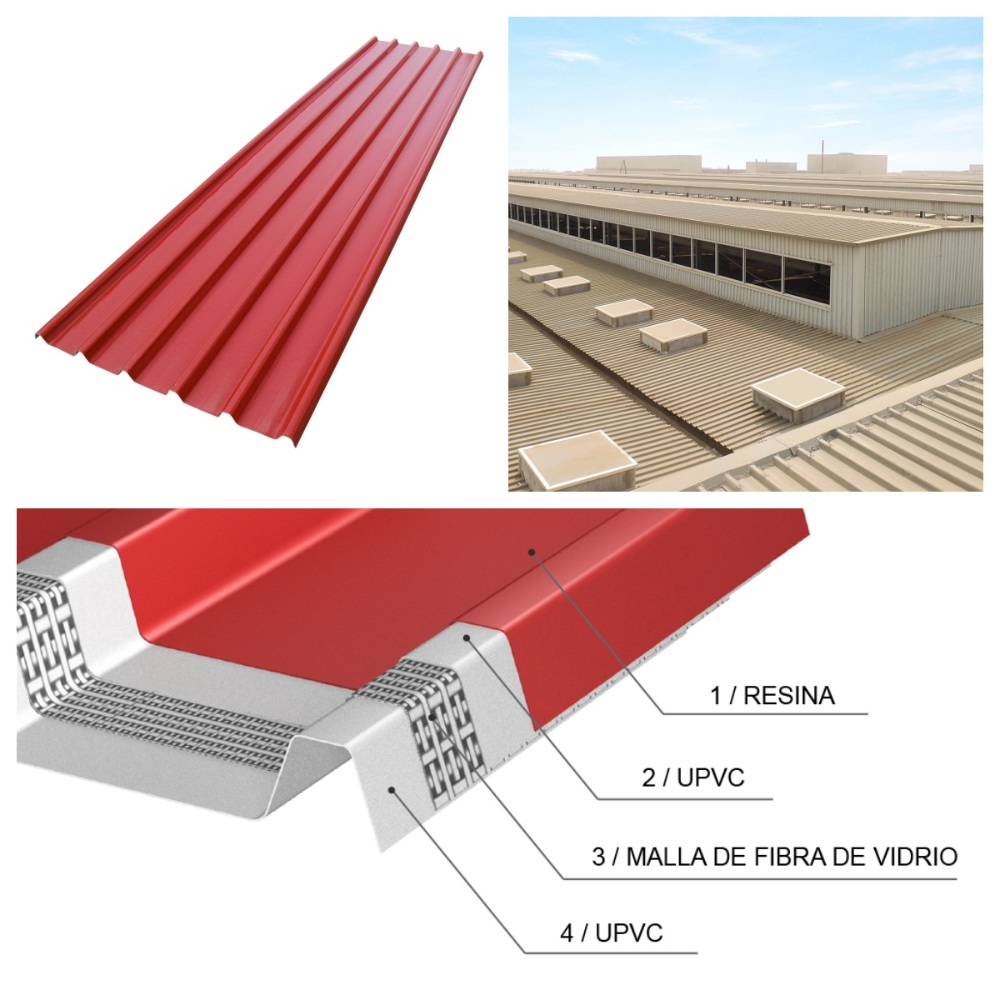
Some UPVC roof sheets use an ASA surface layer. ASA is an acrylic/resin material with UV resistance, and it helps protect color stability for outdoor use. This layer can influence cost, but it also affects long-term appearance and weather resistance.
For outdoor roofs, especially in strong sunlight, rain, and changing weather, surface performance matters. A cheaper sheet without suitable weather protection may fade or age faster than expected. Buyers should treat the ASA layer as part of long-term value, not only as an added cost.
Accessories and Roof System Cost
Accessories are often missed in early price comparison. A complete roof may need ridge cover, three way, side ridge, eave, cladding, flashing, and related fixing parts. These items affect the final project budget.
If accessories are not included early, the first quotation may look lower than the real cost. For bulk orders, buyers should request a roof system estimate, not only a sheet price. This helps avoid unexpected additions after the main panels are confirmed.
Price Should Be Compared with Long-Term Value
A fair price is not always the lowest number. It should reflect material quality, roof performance, and after-sales risk.
Heat, Sound, and Corrosion Performance
UPVC and PVC roof sheets provide heat and sound insulation, rust-free performance, and chemical corrosion resistance. These features matter for factories, farms, warehouses, and workshops where roofing materials affect daily use.
Metal roofs may transfer heat quickly and create more noise during rain and wind. UPVC roofing can help reduce these problems while avoiding rust. For buyers comparing long-term value, these performance factors should be part of the cost review.
Low Price Can Create Higher Risk
The UPVC roof sheet market is competitive, and some quotations are reduced by cutting material costs. This may help win an order, but it can also increase after-sales problems if the product does not fit the real environment.
A reliable UPVC roof sheet supplier should help buyers compare more than price. Material stability, profile selection, thickness, color, accessory matching, and inspection support all affect the final result. For large orders, a stable product often matters more than a small unit price difference.
What Buyers Should Confirm Before a Bulk Order
Before requesting a quotation, buyers can prepare several details. This makes the price more accurate and reduces back-and-forth communication.
Key points include project location, building type, roof size, required profile, sheet thickness, color, length, estimated quantity, accessory needs, shipping destination, and expected application. If project drawings are available, they help calculate sheet length and total quantity more accurately.
Buyers should also confirm whether the roof is used for a factory, warehouse, farm, commercial building, or wall cladding. Local climate matters as well. High heat, humidity, acid or alkali exposure, salt air, and heavy rain can all influence sheet selection.
For a bulk order, The goal is not only a quick quotation, but a price that reflects the right specification.
How Jieli Helps Buyers Review Roofing Sheet Cost
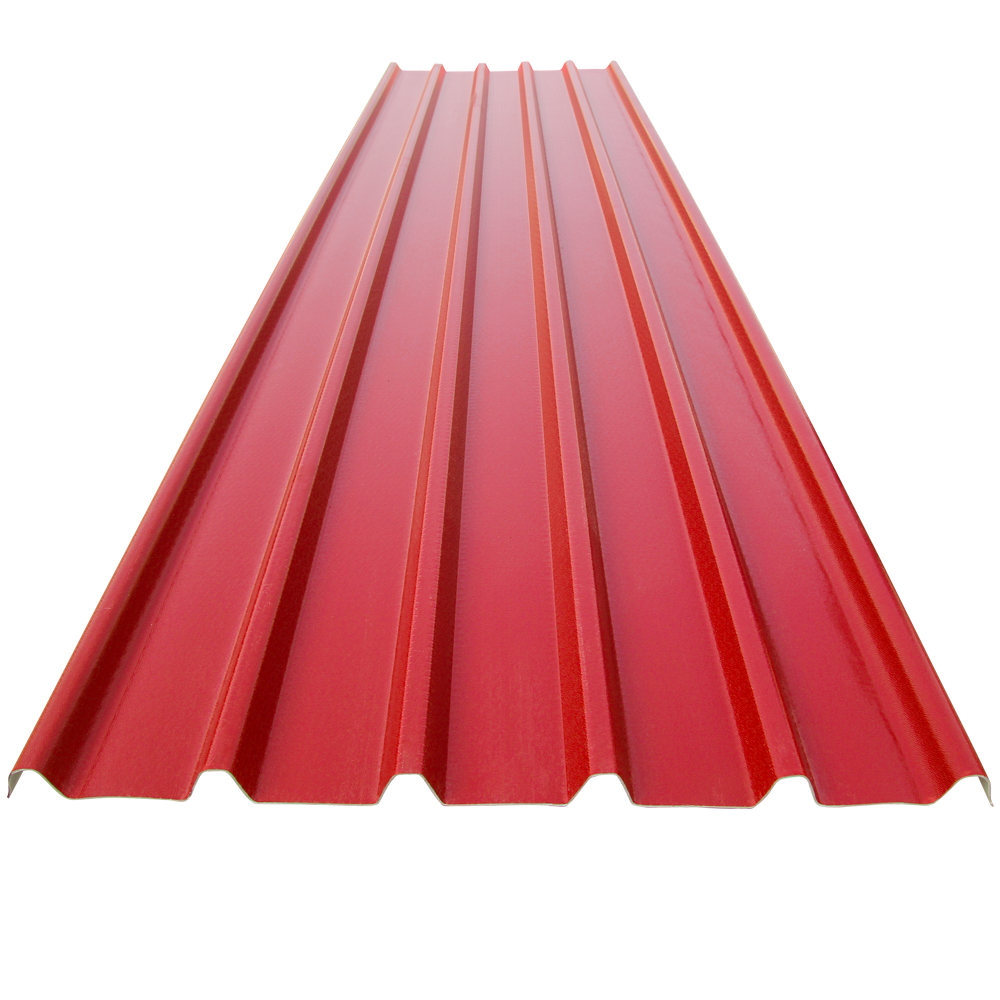
The UPVCIndustrial Corrugated Trapezoidal Roofing Sheet is available in multiple profiles for roofs, ceilings, and wall panels. These profiles support different widths, efficient widths, thickness options, and purlin distance requirements.
For project buyers, we can review shape, thickness, color, quantity, and length based on market and project needs. When drawings are available, our technical team can help calculate usage and sheet length before quotation. This helps buyers compare the real roof cost instead of only checking a simple material price.
Conclusion: A Fair Price Starts with the Right Specification
UPVC roofing sheet price depends on many connected factors: thickness, profile, effective width, length, color, ASA layer, accessories, order quantity, packing, and shipping. A fair quotation should help buyers see the total project cost, not only the lowest sheet price.
For factories, warehouses, farms, and commercial buildings, the right sheet is the one that fits the roof environment and project structure. Before confirming a large purchase, buyers should compare usable coverage, long-term performance, accessory needs, and supplier support.
To receive a more accurate estimate, buyers can share roof size, profile needs, thickness, color, quantity, and destination, then request a UPVC roofing sheet quotation based on the actual project.
FAQ
Q: What affects UPVC roofing sheet price the most? A: Thickness, profile design, effective width, length, color, ASA surface layer, accessories, quantity, packing, and shipping destination all affect the final price. For project orders, buyers should compare the total roof cost instead of only the single-sheet price.
Q: Is a thicker UPVC roofing sheet always better? A: Not always. A thicker sheet uses more material and may suit tougher projects, but the right choice depends on roof structure, purlin distance, local climate, and budget. Buyers should match thickness with actual use conditions.
Q: Why should buyers confirm accessories before bulk orders? A: Accessories such as ridge covers, side ridges, eaves, cladding, and flashing affect the final roof system cost. If they are not included early, the first quotation may not reflect the real project budget.






 +86 0535 6278701 / +86 15653505862