HOME>NEWS>How Does PVC Compound Improve Extrusion Stability for UPVC Roof Sheet Production
How Does PVC Compound Improve Extrusion Stability for UPVC Roof Sheet Production
2026-07-20 13:58:35
SHARE TO:
For many factories, producing UPVC roof sheets looks simple from the outside. The line runs, the material enters the extruder, the sheet comes out, and the product is cut to length. In real production, however, the difficult part is keeping every batch stable. A small change in raw material, mixing ratio, lubricant dispersion, or processing temperature can affect surface quality, thickness control, wave shape, color, and scrap rate.
Factories that are new to UPVC roof sheet production often face the same problems. The formula is hard to control. The mixing process takes time. Different raw material batches behave differently. Contractors and buyers still expect stable quality, but the production team may need repeated trial runs before the sheet looks right. This is why more manufacturers look at ready-to-use PVC granules instead of managing every raw material step in-house.
Why Production Problems Often Start Before Extrusion
Extrusion stability does not begin at the machine. It begins with the material entering the machine. If the raw material is not uniform, the extruder has to carry the burden.
Raw Material Mixing Can Become A Hidden Risk Traditional production often requires factories to prepare PVC resin powder, stabilizers, lubricants, modifiers, color materials, and other additives separately. Each step needs accurate weighing and even mixing. If one material is added unevenly, the compound may melt differently across the production run.
This can lead to unstable sheet forming. The surface may become rough. The edges may not stay clean. Thickness may shift. The line operator may need to adjust temperatures or speed several times before the sheet becomes acceptable. For a small trial batch, that may be manageable. For bulk production, it becomes a cost.
Formula Control Requires Technical Experience
Not every new roofing sheet factory has an experienced formulation team. Even with good equipment, a weak formula can create production waste. A factory that wants to add UPVC roof sheet production to an existing product line may not want to spend months testing resin ratios, stabilizer systems, lubricants, impact modifiers, and outdoor performance. In this situation, the question is not only “which raw material is cheaper.” A better question is, which raw material helps the factory start stable production faster?
What PVC Compound Changes In The Production Process
Ready-to-use granules change the work before extrusion. Instead of managing many loose raw materials on site, the factory receives a pre-formulated material designed for direct processing.
Pre-Formulated Granules Reduce Preparation Work
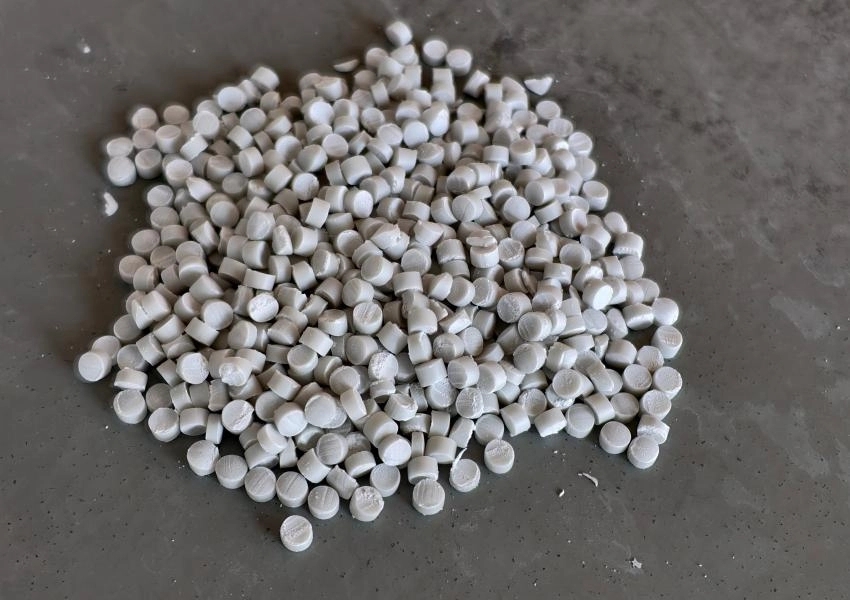
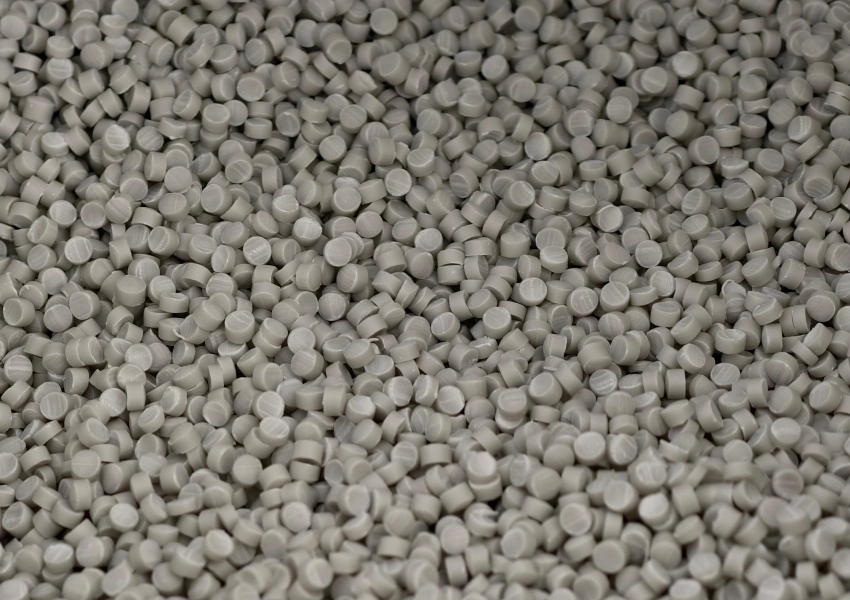
A PVC compound is made from PVC resin powder with stabilizers, lubricants, and other additives. It is processed through mixing, extrusion, and granulation. The result is a modified PVC raw material that can be used directly in production. For UPVC roof sheet production, this reduces the work needed before extrusion. The factory does not have to prepare every additive separately. It also reduces the risk of uneven mixing. For new production teams, this can make the first production stage easier to control.
Stable Formula Supports Repeated Orders
A roofing sheet factory does not only need one successful batch. It needs stable repeat orders. If the first container of sheets looks different from the second one, the buyer may lose confidence. If the color, forming quality, or toughness changes too much, the supplier may need to handle complaints. PVC compound helps factories keep formula consistency from batch to batch. Stable material input supports stable extrusion output. This matters for manufacturers selling to building material distributors, local project contractors, and export markets.
How PVC Compound Improves Extrusion Stability
Extrusion stability is not one single result. It includes melt flow, sheet surface, forming behavior, production speed, and how often the line must be adjusted.
Better Melt Behavior Helps The Line Run More Smoothly
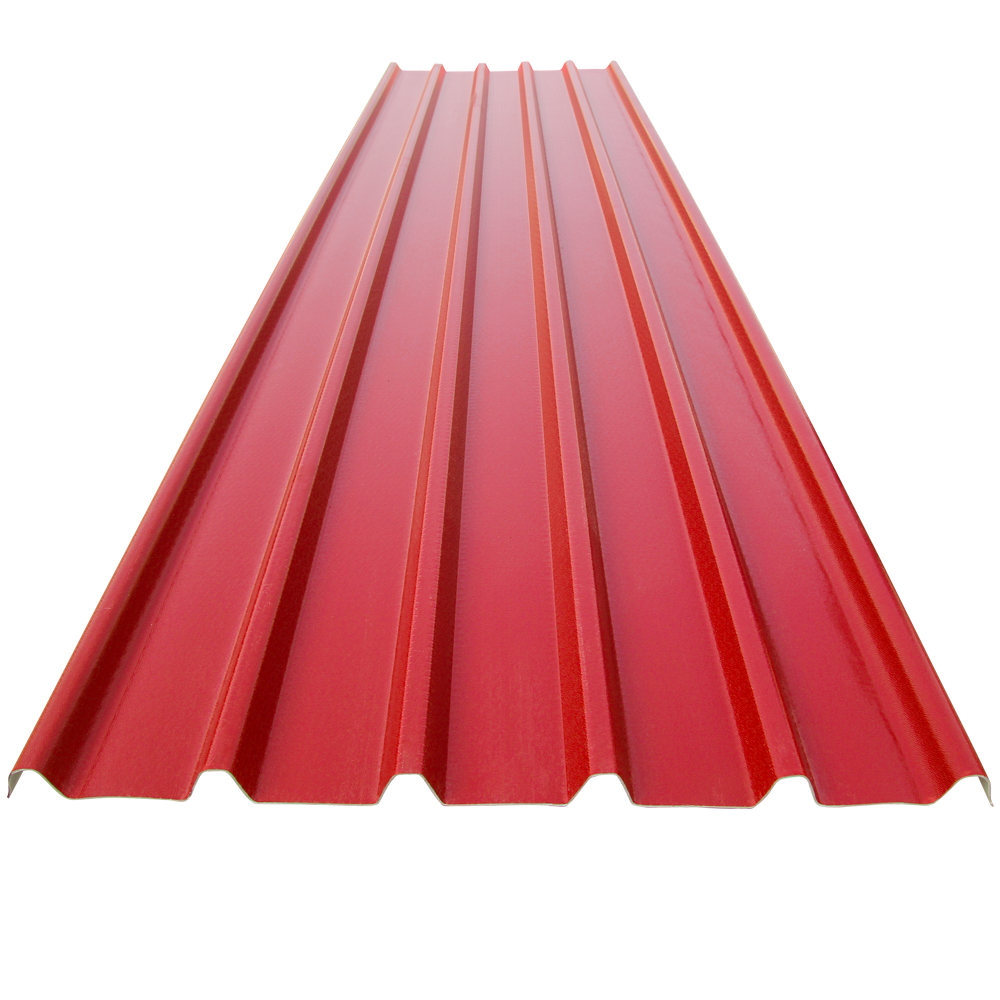
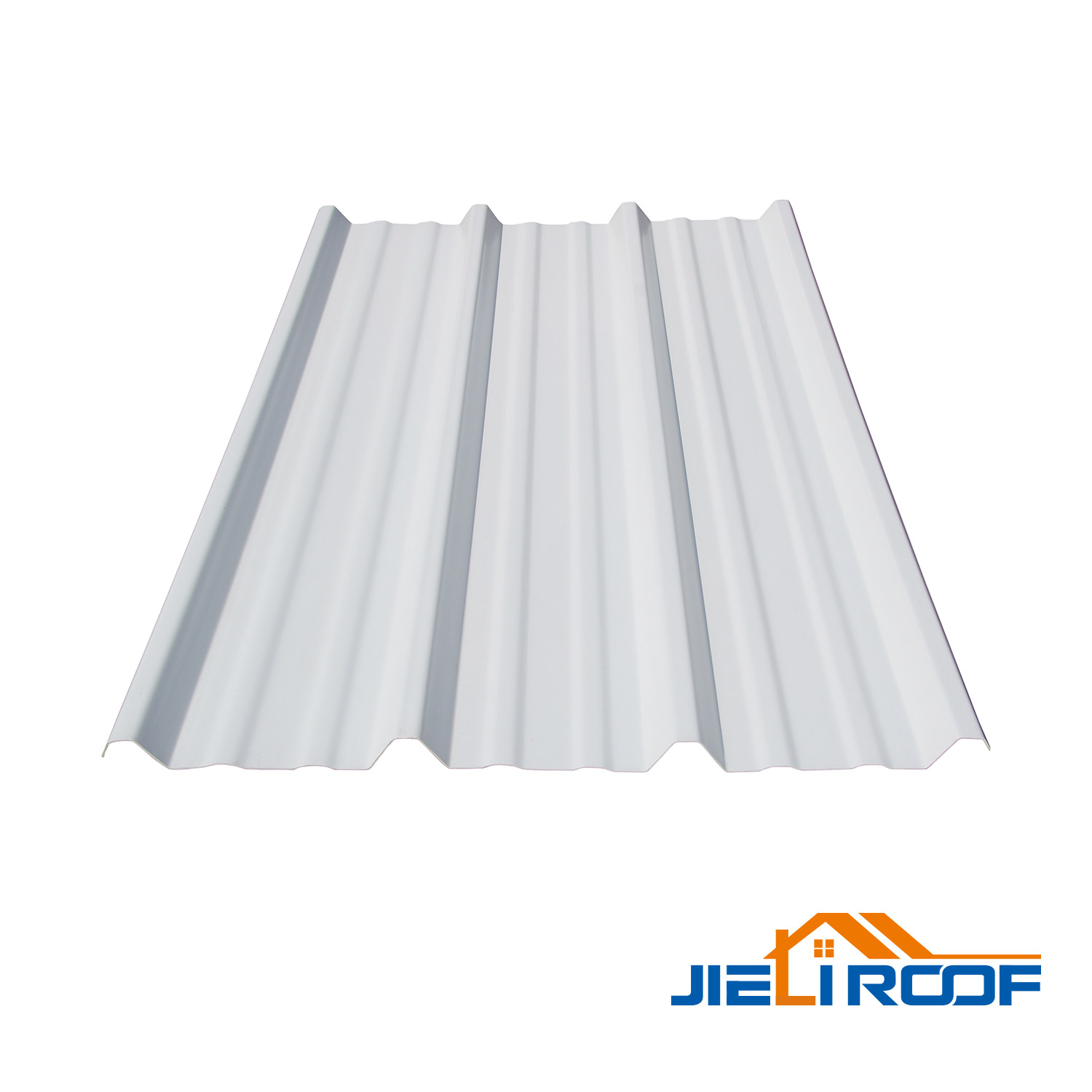
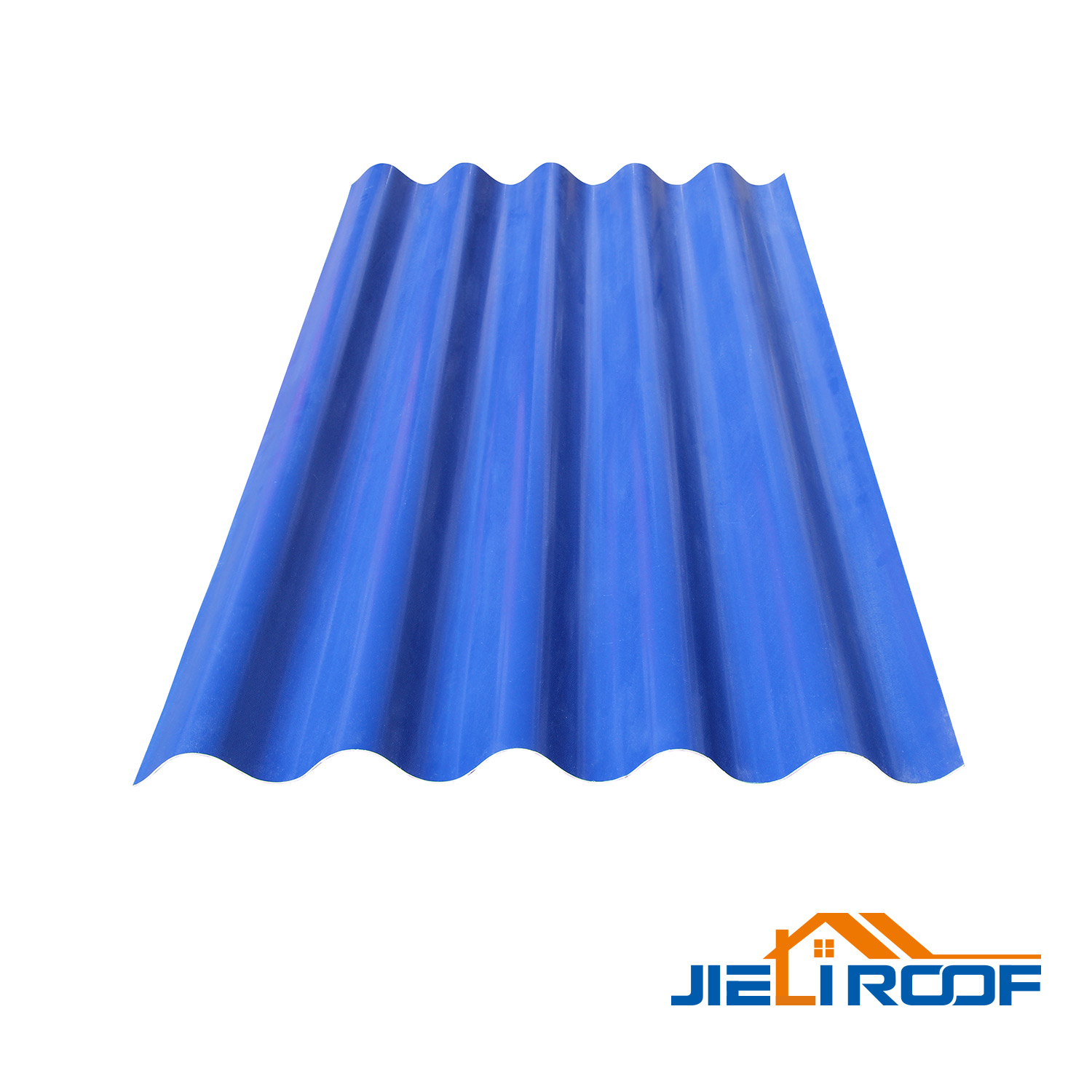
When additives are already dispersed inside the granules, the material can melt and flow more evenly. This helps reduce sudden processing changes during extrusion. A stable melt makes it easier to control sheet forming, especially for corrugated or trapezoidal roof sheet profiles. For manufacturers, this can reduce common problems such as surface roughness, uneven flow, unstable thickness, and forming defects. It can also make the line easier to manage during longer production runs.
Fewer Adjustments Can Lower Trial Waste
Every line adjustment costs material and time. When operators must change temperature, screw speed, traction speed, or forming settings too often, the factory may produce more waste before reaching a stable condition. Ready-to-use PVC granules can help reduce this adjustment pressure. They do not remove the need for proper machine settings, but they give the line a more stable material base. For factories trying to improve output consistency, this is a practical benefit.
Continuous Production Becomes Easier To Plan
UPVC roofing sheet orders often require consistent length, color, thickness, and profile quality. If material stability is poor, the production plan becomes harder to control. The factory may have to slow the line, reject more sheets, or separate batches by quality. A stable PVC extrusion material helps production managers plan continuous runs with less uncertainty. This is one reason a PVC compound for UPVC roof sheet production is useful for both new factories and established producers expanding output.
Why Outdoor Performance Still Matters
Processing stability is important, but UPVC roof sheets are outdoor products. A material that runs well in the extruder still needs to support weather resistance after installation.
Roofing Products Face Harsh End Use
UPVC roof sheets and ASA synthetic resin tiles are used under sun, rain, heat, wind, and seasonal weather changes. For markets such as the Middle East, Africa, Southeast Asia, and Latin America, buyers may care more about UV resistance, heat stability, waterproof performance, and long service life. A PVC raw material for roof sheet production should therefore be checked for both processing and outdoor use. Good extrusion alone is not enough if the finished roof sheet cannot meet local climate needs.
Market-Specific Formulas Can Reduce Risk
Different markets may need different formula priorities. A hot and dry region may focus on heat and UV resistance. A rainy region may care more about waterproof performance and long-term durability. A standard product line may need a different balance from a premium roofing sheet range. Jieli has long-term roofing material production experience, so formula matching can be discussed around the final roof sheet application, not only the granule itself. This is useful for factories that want to supply local construction projects or build a new roofing product category.
Traditional Mixing vs PVC Compound Production
Production Point
Traditional Raw Material Mixing
PVC Compound Production
Formula Preparation
The factory handles resin and additives separately
Granules are already preformulated
Technical Requirement
Higher dependence on formulation experience
Easier for new or expanding factories
Mixing Stability
Risk of uneven additive dispersion
More stable material input
Extrusion Control
More line adjustment may be needed
Supports smoother processing
Trial Waste
Higher risk during formula testing
Helps reduce repeated trial errors
Market Adaptation
The factory must develop formula itself
The formula can be adjusted by application and region
What Buyers Should Confirm Before Ordering
A buyer should not order PVC compound only by price per ton. The material must match the product, machine, and target market.
Production And Product Details
Before requesting a quotation, buyers should prepare the product type, such as UPVC roof sheet, ASA synthetic resin tile, PVC pipe, or fittings. They should also share the extruder type, target sheet thickness, required surface quality, profile design, color needs, line speed, and local climate. The PVC compound for UPVC roof sheet production is useful for manufacturers who are setting up a new factory, expanding a product line, or supplying local construction projects.
Sample Testing Before Bulk Purchase
Sample testing is important. Buyers should check extrusion stability, surface quality, forming behavior, color consistency, toughness, processing temperature window, and finished sheet performance. For new factories, a small trial can reduce the risk of a large material purchase. A PVC compound is especially useful when the buyer wants to avoid long formula testing and start production with a more mature raw material solution.
Conclusion
A PVC compound improves extrusion stability because it reduces the burden of on-site formulation, mixing, and additive dispersion. For UPVC roof sheet production, this can mean smoother processing, fewer line adjustments, lower trial waste, and better batch consistency. The best result still depends on machine condition, operator skill, product design, and sample testing. But for manufacturers who want to produce UPVC roof sheets more easily, ready-to-use PVC granules offer a practical path. For UPVC roof sheet or ASA synthetic resin tile production, buyers can share product type, extrusion line conditions, target market, weather resistance needs, and trial quantity and then request a PVC compound formula review before bulk purchase.
FAQ
Q1: How Does PVC Compound Help UPVC Roof Sheet Extrusion? A1: PVC compound helps improve extrusion stability because PVC resin, stabilizers, lubricants, and additives are already pre-formulated and granulated. This can reduce mixing variation, support stable melt behavior, and help manufacturers control sheet quality during continuous production.
Q2: Is PVC Compound Suitable for New UPVC Roofing Sheet Factories? A2: Yes. A PVC compound is suitable for new factories because it reduces the need to build a full formulation process from the beginning. It can help factories start production faster, lower trial errors, and focus more on sheet forming and market development.
Q3: What Should Buyers Test Before Ordering PVC Compound in Bulk? A3: Buyers should test extrusion stability, surface quality, forming behavior, color consistency, toughness, processing temperature range, and finished roof sheet performance. Sample testing is recommended before bulk purchase.






 +86 0535 6278701 / +86 15653505862

 Better Melt Behavior Helps The Line Run More Smoothly