HOME>NEWS>How to Upgrade Existing Livestock Roofs Without Full Tear-Off: TSP Steel Sheet Retrofit Guide
How to Upgrade Existing Livestock Roofs Without Full Tear-Off: TSP Steel Sheet Retrofit Guide
2026-08-17 00:00:55
SHARE TO:
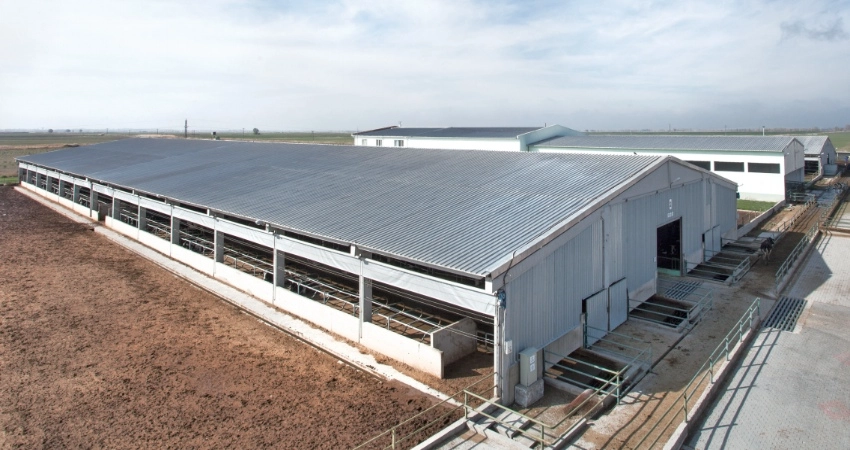
Old livestock roofs often reach a difficult stage before the farm is ready for a full rebuild. The panels still cover the animals, but rust marks spread around laps, fasteners, and wet corners. A full tear-off may stop production, expose the house to weather, and create disposal work. For livestock roofing sheets in corrosive buildings, that is why many buyers ask whether a TSP steel roof sheet retrofit can reduce disruption while improving corrosion resistance.
A retrofit decision should be made carefully. The old roof, steel frame, drainage, ventilation, and corrosion level all affect the answer. Still, film-coated steel is worth reviewing when the main failure is chemical corrosion on painted steel rather than a complete structural problem.
When A Livestock Roof Needs More Than Patching
Patching can buy time, but it does not change the working environment. Farm air still carries ammonia, moisture, disinfectant residue, and organic acids. If the roof material cannot handle that exposure, repairs become a cycle. The farm pays for material, labor, blocked aisles, and animal disturbance again and again.
Rust Usually Starts At Practical Weak Points
Painted steel often fails first around cut edges, overlaps, screw holes, and scratches from handling. These areas are small, but they sit in the most active chemical zone of the roof. Warm moisture moves upward, ammonia reacts with damp surfaces, and cleaning water can leave residue near laps.
Once corrosion creeps under paint, the sheet may look worse each season even if the roof is patched. That is the point where livestock roof replacement becomes a business decision, not just a maintenance job. The buyer has to compare another round of short repairs with a roof surface built for harsher chemical exposure.
Full Tear-Off Is Not Always The First Choice
A full tear-off can be necessary when the structure is unsafe or the roof build-up has failed badly. In other cases, the cost and disturbance are hard to accept. Removing panels over active cattle, pig, sheep, or poultry houses can interrupt feeding, cleaning, ventilation, and biosecurity routines.
Jieli’s livestock roofing material describes retrofit use where TSP steel sheets can be installed over an existing corroded roof after project review. That should be treated as a project option, not a universal instruction. A contractor still needs to check load, fastening areas, drainage, and whether the old roof can safely remain in place.
Why TSP Is Different From Ordinary Painted Steel
TSP is a metal roofing sheet, so its strongest argument is not the same as UPVC. It should be discussed around chemical corrosion resistance, rust prevention, and maintenance cost. Heat insulation belongs mainly to sandwich panel systems or other building layers, not to a standalone TSP sheet as its core advantage.
A Continuous Film Barrier Over Steel
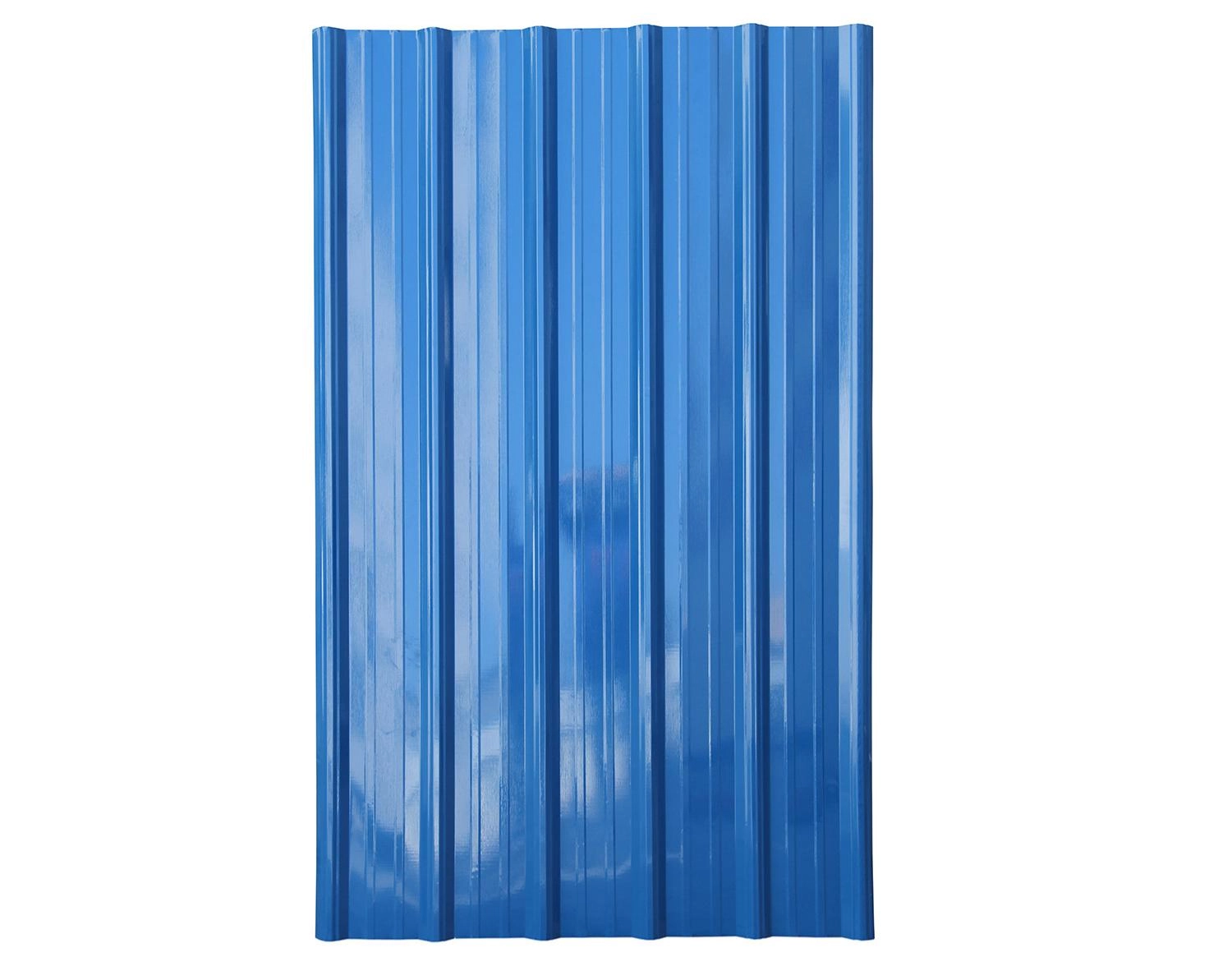
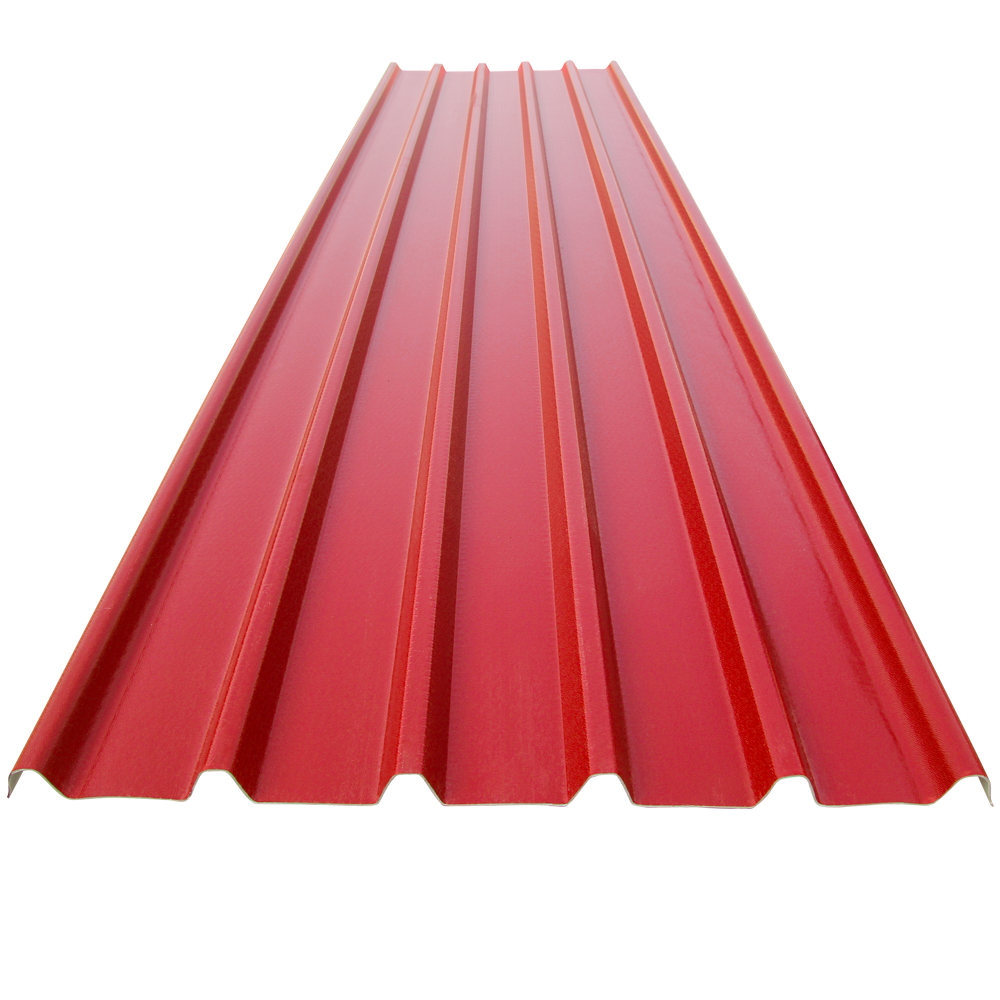
Painted steel depends on a coating that can be scratched, chipped, or uneven around edges. TSP uses modified polyester film bonded to galvanized or colored steel with a special adhesive layer. The film is intended to seal the steel surface and reduce direct contact with corrosive media.
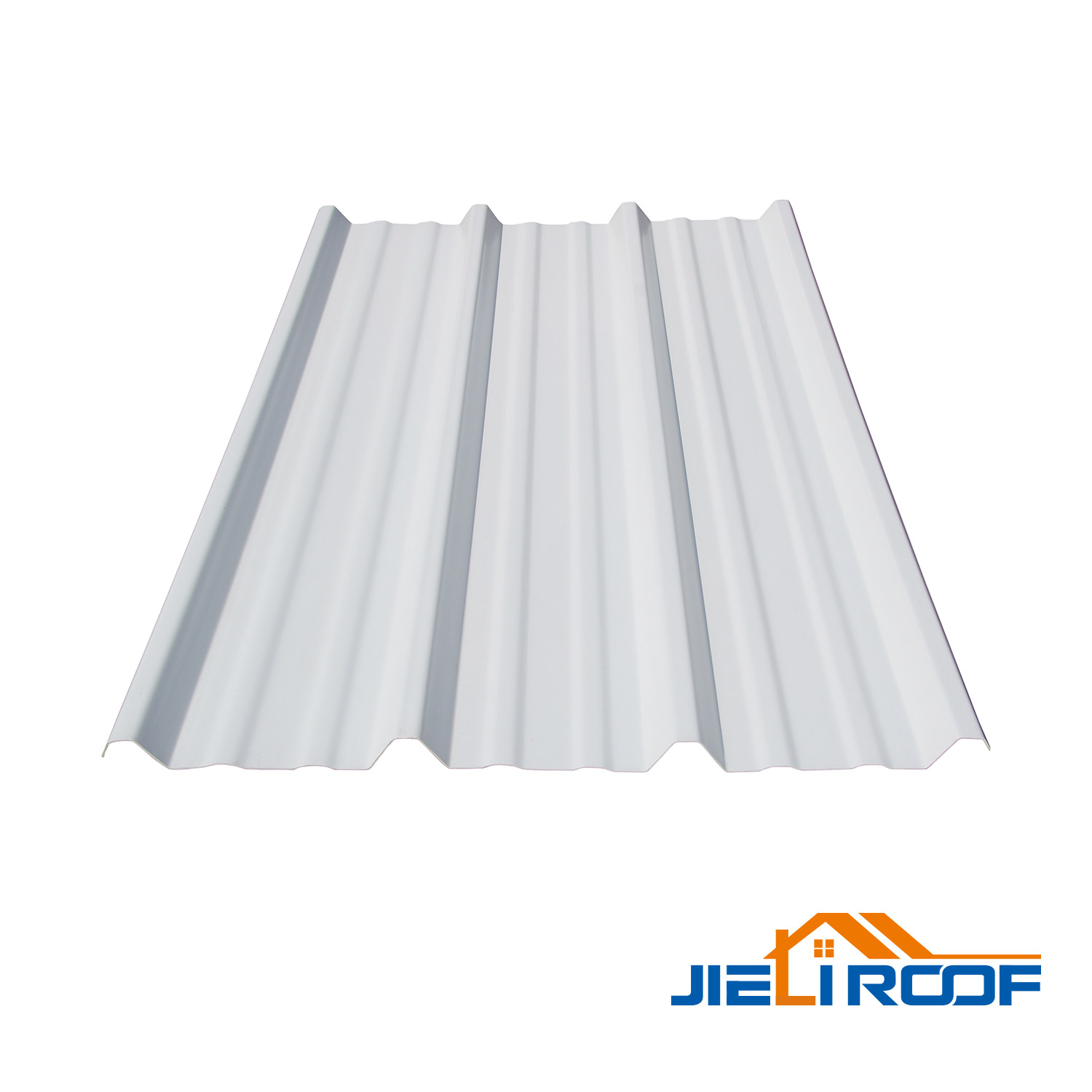
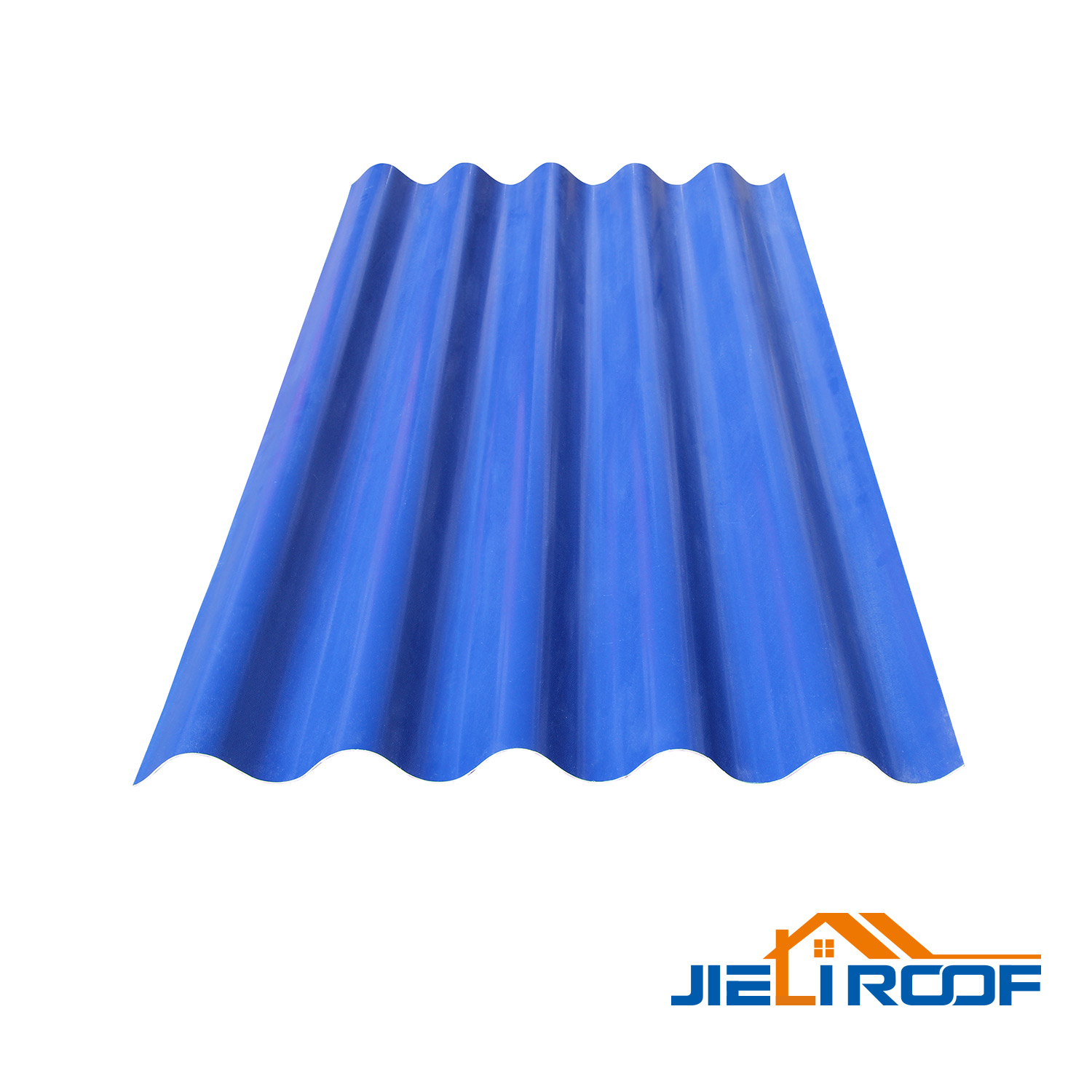
The TSP steel sheet trapezoidal 1050 is a useful example for buyers comparing old painted roofs with newer film-coated metal roofing. Its role is to keep the metal protected in corrosive environments while still giving the project the stiffness and handling logic of a steel sheet.
Test Points And Warranty Should Stay With TSP
For TSP, the corrosion reference includes 15% hydrochloric acid, with chemical exposure checked for 168 hours in listed acid, alkali, ammonia, and chlorine conditions. Salt spray testing is also referenced at 1000 hours with no rusting. The current TSP warranty reference is 15 years, and the steel-plastic roofing sheet thickness range is 0.4-0.8mm.
How Retrofit Planning Affects Maintenance Cost
A retrofit project should not be priced only by the new sheet. The real comparison includes tear-off labor, disposal, weather exposure, temporary closures, animal movement, and the likelihood of future repairs. Farm roofing materials that reduce repeat corrosion work can protect operating time as much as roof appearance, especially when old livestock roofing sheets already show rust at several weak points.
Less Demolition Can Mean Less Downtime
When a roof can be upgraded without full tear-off, the farm may avoid a large part of the disruption that comes with opening the building. The source material for TSP retrofit applications refers to keeping animals in the building, leaving old roofing in place, reducing disposal costs, and saving 40-60% labor cost compared with full replacement in suitable cases.
They depend on roof condition, building size, local labor, weather, and the approval of the project team. Still, they show why a TSP retrofit can be attractive for farms that cannot afford long downtime.
Corrosion Protection Reduces The Next Repair Cycle
The main goal is not only covering the old roof. The main goal is stopping the same corrosion pattern from returning too soon. A TSP steel roof sheet protects steel with a film barrier rather than a normal paint finish, which helps in livestock air where ammonia, moisture, and disinfectant residue attack exposed metal.
Noise may also enter the buyer’s comparison. TSP test references include an acoustic insulation figure of Rw(C,Ctr) 25-30 (-1, -3) dB. For enclosed animal houses, the full sound result still depends on the roof system, air volume, purlins, and whether the building uses a single sheet or sandwich panel assembly.
Buyer Checks Before Approving A TSP Retrofit
The safest retrofit conversation is practical and slightly cautious. A farm owner or distributor should not ask only for a cheaper roof-over quote. The RFQ should describe corrosion severity, existing sheet type, purlin condition, roof slope, washing frequency, animal housing schedule, and whether the building can tolerate partial closure.
Separate Structural Review From Material Selection
TSP can help with corrosion resistance, but it cannot repair a weak frame or a roof that has already lost support. That is why the structural review should sit beside the material choice. Contractors need to check whether fastening zones are sound, water flow is controlled, and the added layer fits the load assumptions for the building.
For buyers comparing TSP steel roof sheet with painted steel, the useful questions are direct: what corrosion exposure is present, what thickness is being quoted within 0.4-0.8mm, and how the supplier controls film bonding, surface quality, and batch consistency.
Ask For Samples, Test References, And Project Matching
A sample should be checked around the film surface, bending area, cut edge, and fastener zone. If the retrofit is for poultry, sheep, pigs, or cattle, the buyer should also ask how the sheet performs around ammonia and repeated cleaning. A generic steel quote rarely answers those questions well.
Jieli has 22 production lines and a testing setup covering raw materials, formula, production, finished products, and order batch checks. Buyers working on Jieli projects can request samples and profile support before deciding whether TSP is the right retrofit route for the existing livestock roof.
FAQ
Q1: Can TSP steel sheet upgrade an existing livestock roof without full tear-off?
A1: It may be suitable in some retrofit projects, but the old roof and frame must be reviewed first. TSP can reduce corrosion risk, but it cannot replace structural checking.
Q2: What is the main advantage of TSP–film–coated steel sheet?
A2: Its main advantage is chemical corrosion resistance and rust prevention. It uses a bonded film barrier over steel, which helps protect the metal in humid livestock environments.
Q3: What TSP data should be checked before livestock roof replacement?
A3: Check the 15-year warranty reference, the 15% hydrochloric acid corrosion point, the sample quality, the farm roofing materials compatibility, and whether the retrofit plan fits the existing roof condition.






 +86 0535 6278701 / +86 15653505862