HOME>NEWS>Farm Roofing Cost: Why Ammonia Corrosion Makes Cheap Metal Roofs More Expensive Over Time
Farm Roofing Cost: Why Ammonia Corrosion Makes Cheap Metal Roofs More Expensive Over Time
2026-08-24 00:00:57
SHARE TO:
The lowest farm roofing quote can look sensible on paper. In a livestock building, the roof meets warm moisture, manure gas, disinfectant mist, and wash water long after the invoice is forgotten. Cheap painted metal often loses its advantage after the coating breaks. Rust moves around laps, fasteners, edges, and ridge zones. A better cost discussion starts with corrosion, not only thickness or color. For ammonia-heavy barns, the TSP steel roof sheet is mainly a rust-control choice, not a heat-insulation pitch.
Cheap Roofs Do Not Stay Cheap In Ammonia Air
Many farm owners compare sheet prices first because it is easy to see. The second bill comes later: stained panels, loose screws, damp bedding, and contractors returning during production.
Purchase Price Is Only The First Line
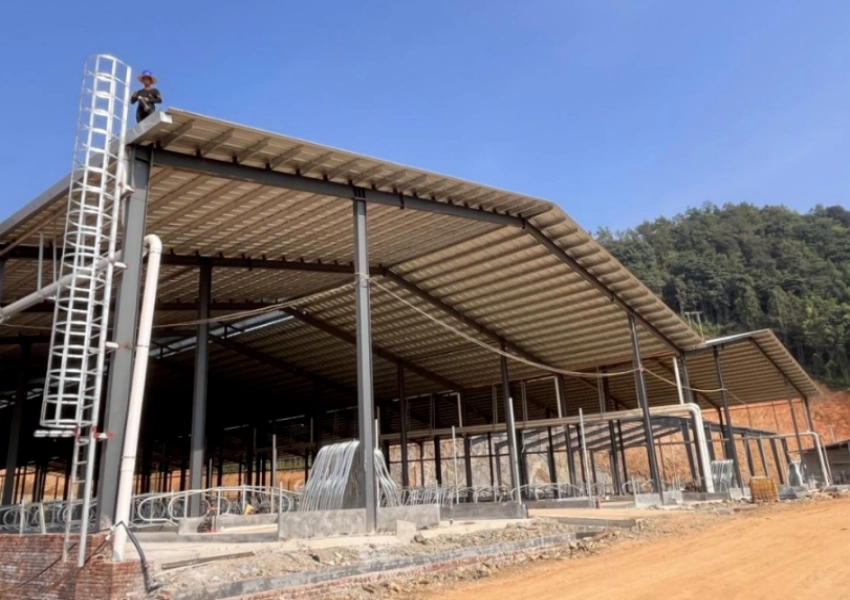
A painted steel sheet can work in a mild warehouse. A poultry house, pig shed, cattle barn, or manure handling area is different. Warm air keeps ammonia and moisture close to the roof’s underside while the outer face takes rain, sun, and temperature movement. That double exposure makes ordinary metal one of the riskier farm roofing materials when the coating is thin or uneven.
Cheap quotes usually hide three questions. Will the coating keep ammonia away from the steel? What happens around cut edges and screw holes? How much work follows the first rust line? Those questions matter more than a small saving per square meter.
Rust Turns Small Leaks Into Operating Cost
Rust is not only a visual problem. A small roof leak can wet feed lanes, animal resting zones, or storage corners. It can also keep washed areas damp. If repair work has to happen above animals or equipment, the farm may need temporary covers or a short work window between cycles. This is why a corrosion-resistant roof sheet often lowers total cost. The buyer is paying for fewer repairs and less chance of roof failure during a busy season.
Why Livestock Buildings Attack Metal Roofs Quickly
Ammonia corrosion has a pattern. It starts with animal waste and damp air, then finds the weak points in the roof system. Painted metal survives while the coating remains continuous. Once that barrier has pinholes, scratches, or exposed edges, the steel below becomes the target.
Ammonia, Moisture, And Cleaning Chemicals
Livestock manure and urine release ammonia. In a closed or semi-closed house, that gas mixes with humidity and settles on building surfaces. Disinfectants and cleaning chemicals add another layer of exposure. The roof is not soaked in a laboratory bath every day, but it is repeatedly exposed to a low, persistent chemical load.
Jieli test records for TSP include chemical resistance checks for acid, alkali, salt, ammonia, and chlorine exposure over 168 hours, plus a salt spray test of 1000 hours. The 15% hydrochloric acid result is especially useful for buyers comparing claims because it gives a specific chemical reference instead of a vague anti-rust promise.
Where Painted Steel Usually Starts To Fail
Sprayed or painted coatings are not always uniform. Microholes, thin points, scratches, and cut edges become entry points. Around fasteners, the panel is pressed, drilled, and tightened; that area often sees movement and washing. At side laps, trapped moisture can stay longer than it does on the open face of a panel. Once rust starts below the coating, the visible mark may be only the late sign. Contractors may patch one line, then return months later to another. The roof becomes a maintenance item instead of a building envelope.
How TSP Film–Coated Steel Changes The Cost Equation
TSP is still metal roofing. It does not turn a building into an insulated box. The practical difference is the barrier over the steel. When livestock roofing sheets sit over manure gases every day, that barrier is what changes the long-term cost calculation.
Airtight Film Protection Around The Steel
The TSP structure uses modified polyester film bonded to galvanized or colored steel. The film is designed as an airtight sealed layer with no microholes, so corrosive media have less chance to reach the steel substrate. This is different from ordinary paint or powder coating, where the coating process can leave uneven thickness and weak spots.
Jieli began the TSP film-coated steel program in 2016. The adhesive system was developed to bond the film and steel together, while the steel base keeps the stiffness contractors expect from metal panels. For cost planning, the useful point is simple: a TSP steel roof sheet keeps the familiar metal base while adding a stronger anti-corrosion shield for harsh farm air.
Thickness, Warranty, And Test Points
For current Jieli data, TSP steel-plastic roofing thickness is handled in the 0.4-0.8 mm. The warranty is 15 years. A buyer asking for an ammonia-resistant roofing sheet should request the exact test language behind the claim. The goal is not to collect certificates for a file; it is to know whether the sheet was tested against the type of corrosion that damages the building.
What To Check Before Replacing Cheap Sheets
A roof review does not need to become a full engineering report before every purchase. Still, a few checks help separate a short-term repair from a better replacement decision. They also help a supplier recommend the right profile, film surface, and order quantity.
Read The Roof Before Reading The Quotation
Look at ridge zones, side laps, eaves, fastener rows, and shaded interior corners. Rust near screw heads usually points to coating damage or water retention. Rust at cut edges may show that the sheet face was protected but the exposed steel was not. Condensation marks below the panel can also tell whether the roof has been carrying moisture for years.
If the farm has several buildings, compare the worst barn with the newest one. A layer house, pig shed, calf barn, or feed-processing corner may create different corrosion pressure. That site reading helps buyers judge whether ordinary farm roofing materials are still suitable or whether a film-coated metal sheet is worth the higher first price.
Match The Replacement To The Operating Window
Some farms can close a building for roof work. Others cannot. In those cases, partial replacement or retrofit planning may matter more than the lowest material cost. The farm needs a roof plan that limits disruption, reduces loose debris, and gives contractors a clear work sequence without turning the article into site installation guidance.
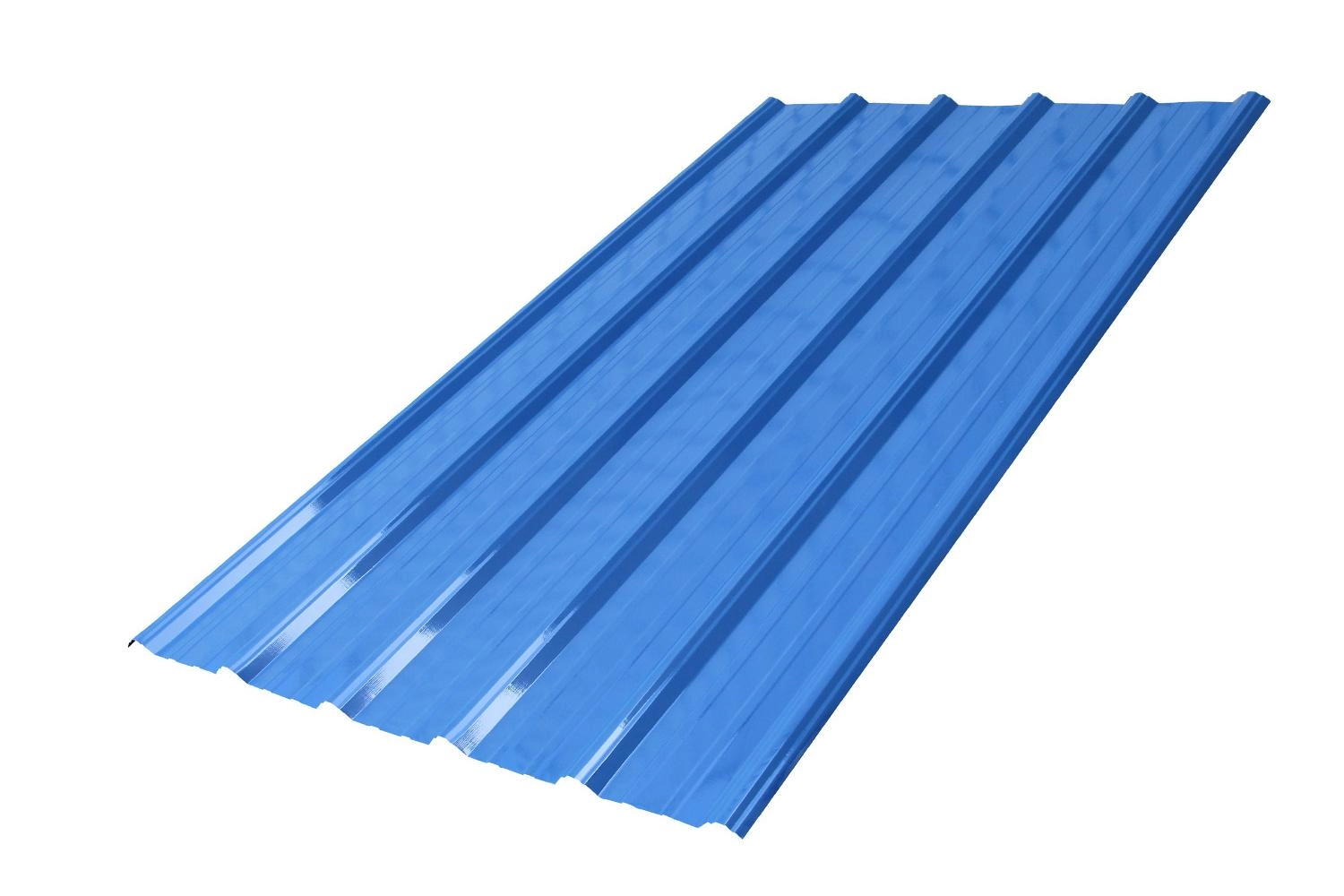
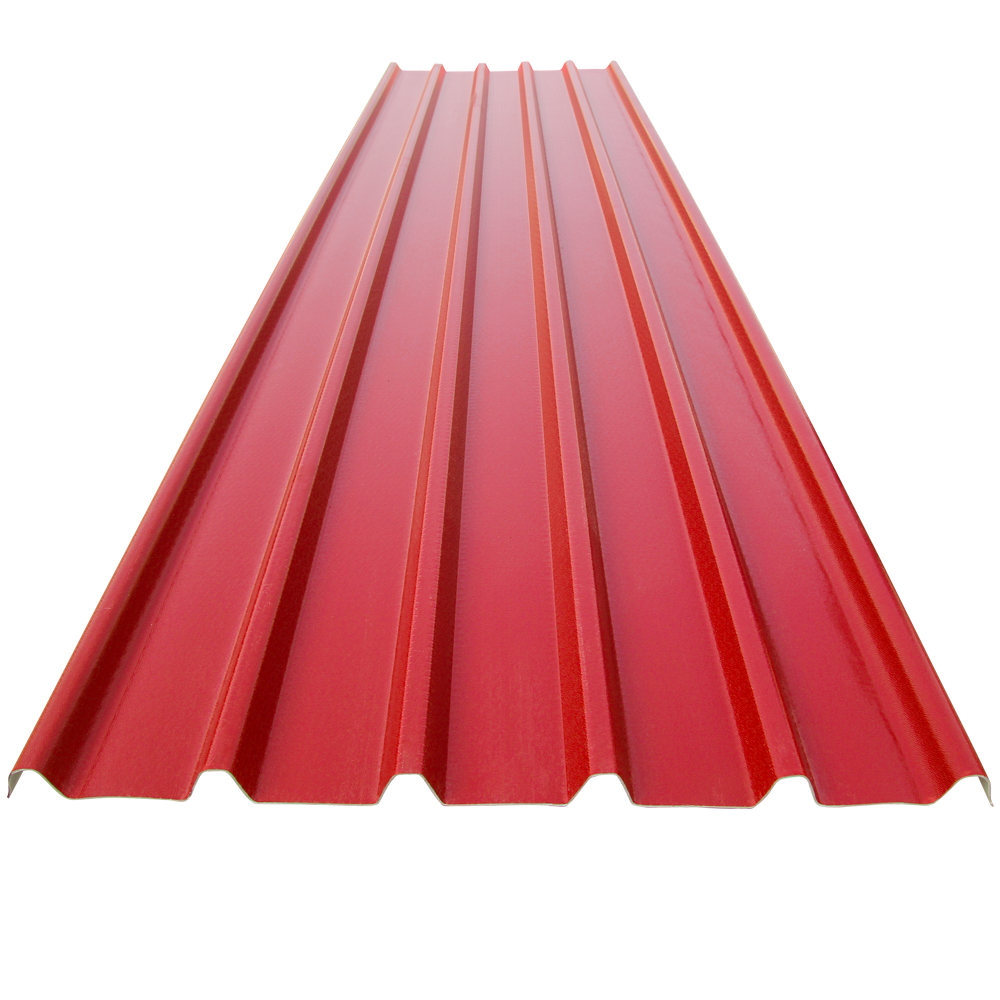
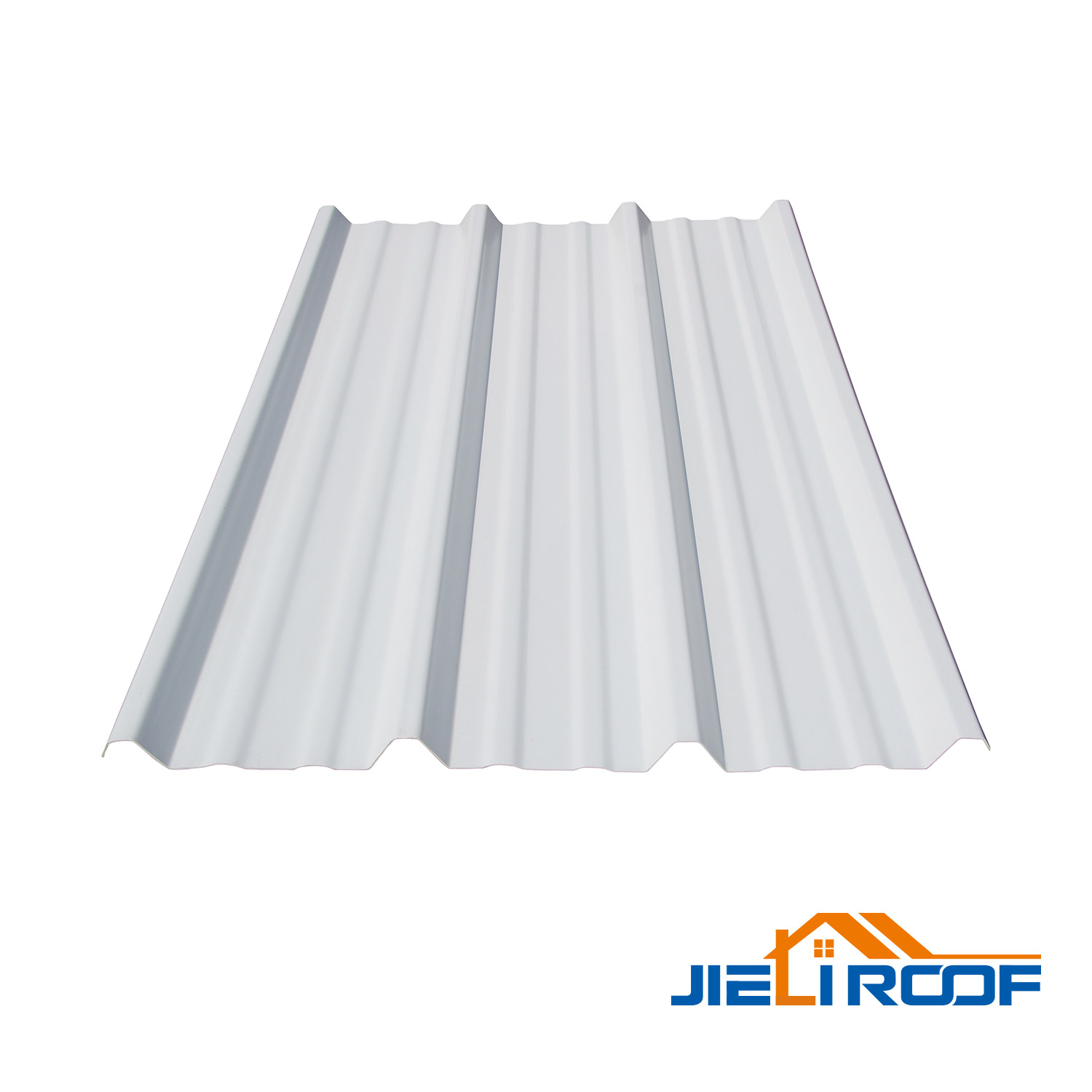
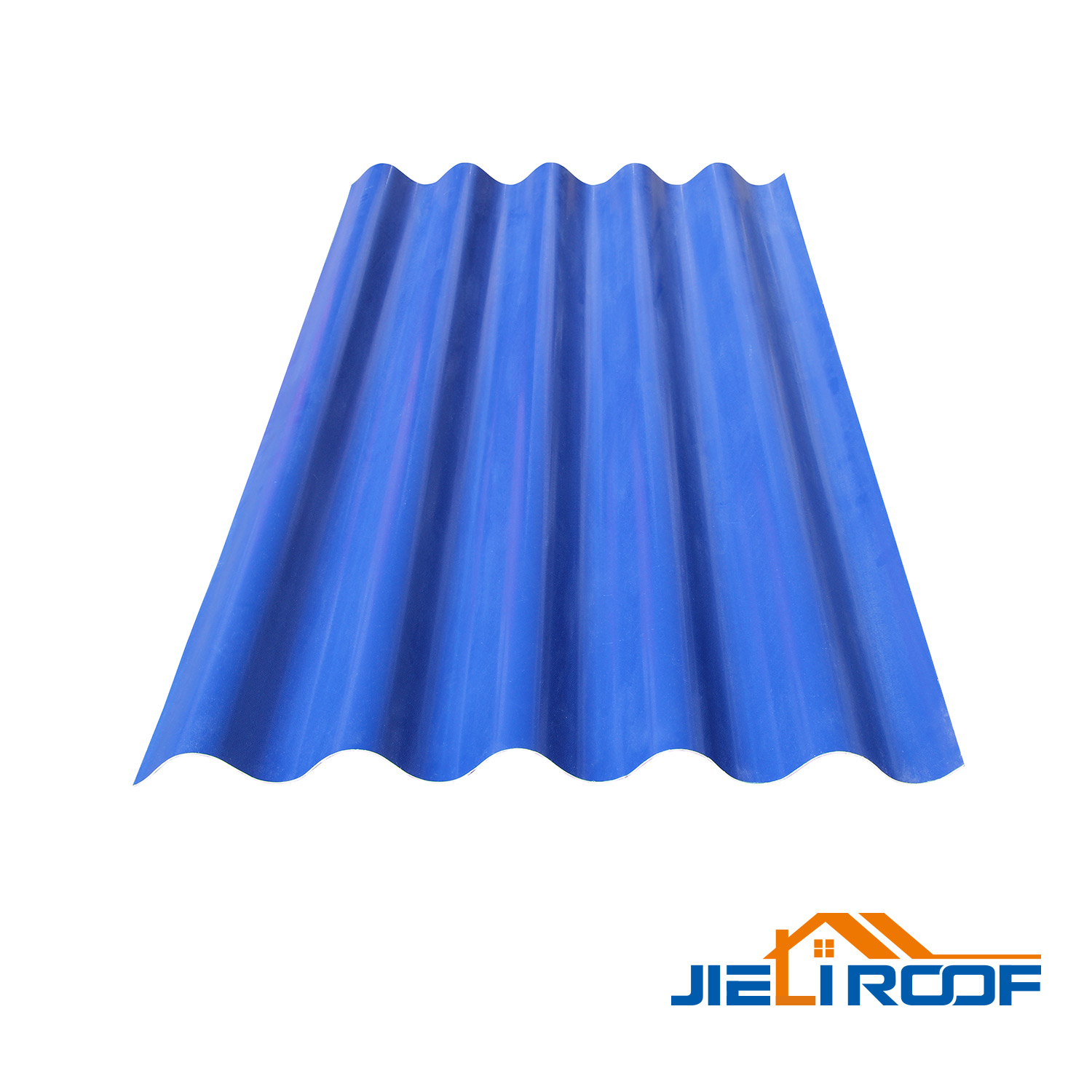
For buyers reviewing Jieli roof systems, TSP steel sheet trapezoidal 1050 is one product route for projects that want steel stiffness plus chemical corrosion resistance. Broader roofing sheet products can also be checked when the project includes other buildings with different roof demands.
When A Higher Sheet Price Becomes The Lower Cost
A sensible roof budget counts service life, repair frequency, business interruption, and the likelihood of early replacement. The more aggressive the barn air, the less reliable a simple sheet-price comparison becomes. This is where better material selection starts to feel less expensive.
The Right Cost Question
The useful question is not, “Which sheet is cheapest today?” It is, “Which livestock roofing sheets give the farm fewer avoidable problems over several production cycles?” In ammonia-heavy barns, a corrosion-resistant roof sheet can protect the building from hidden costs: rust patches, leakage, stop-start repair work, repainting, and sheet replacement. As an ammonia resistant roofing sheet, it fits farms where the buyer still wants metal strength but does not want ordinary painted steel exposed to ammonia, acid cleaning contact, salt, and long humidity. It is a focused answer for corrosion.
Supplier Support That Helps Buyers Decide
A practical supplier should help the buyer compare the exposure, not just send a price list. Jielican support project review through product selection, sample discussion, order inspection, and technical confirmation from its roofing material experience and testing background. For farms, builders, and distributors, asking for samples and test references before committing to a full order is a quieter, cheaper step than learning from a roof failure later.
FAQ
Q1: Is TSP mainly used as a heat insulation roof sheet?
A1: No. TSP is a metal roof sheet. Its main value is chemical corrosion resistance and rust prevention. Insulation belongs more to sandwich-panel design, not the TSP single sheet as a core claim.
Q2: Why does ammonia make cheap metal roofs more expensive?
A2: Ammonia mixes with moisture and attacks weak coating points. Once rust starts, farms may pay for patching, leaks, downtime, and early roof replacement.
Q3: What should buyers ask before choosing a TSP sheet?
A3: Ask for thickness range, warranty, film structure, 15% hydrochloric acid test references, ammonia resistance data, and whether the profile fits the building plan.






 +86 0535 6278701 / +86 15653505862