HOME>NEWS>Why Color Coated Roofing Sheets Fail Faster in Coastal Factory Roofs
Why Color Coated Roofing Sheets Fail Faster in Coastal Factory Roofs
2026-05-28 15:41:41
SHARE TO:
Color coated roofing sheets are widely used on factory buildings because they are familiar, easy to source, and suitable for many standard industrial roofs. In a normal inland environment, they may perform well enough for general warehouse or workshop projects. The situation changes when the building is close to the sea.
Coastal factory roofs face salt, high humidity, heavy rain, UV exposure, and sometimes industrial pollutants at the same time. These factors do not only affect the roof surface. They attack cut edges, screw areas, overlaps, scratches, and weak points in the coating. Once corrosion starts, the roof can move from small rust marks to leakage, panel replacement, and production disruption much faster than expected.
For factory owners, contractors, and roofing material buyers, the main question is not whether color coated roofing sheets can be used. The more practical question is whether they are suitable for long-term use in coastal factory roofs where corrosion pressure is much higher than in ordinary industrial areas.
Salt is one of the most difficult factors for metal roofing. In marine environments, chloride ions can damage the protective layer on metal surfaces and create pitting corrosion or crevice corrosion. These corrosion points often begin in small, hidden areas, such as panel overlaps, fastener holes, or exposed cut edges.
A roof may look stable from the ground, but salt deposits can remain on the surface after sea wind, mist, or rain. When moisture stays on the roof, the corrosion process becomes more active. This is why coastal roofing materials need stronger protection than standard industrial roof panels.
Humidity Keeps the Roof Wet for Longer
High humidity increases the risk of metal oxidation. Coastal buildings often experience moisture in the air even when there is no direct rain. Roof panels may remain damp for long periods, especially in shaded areas or poorly ventilated roof sections.
For a color coated steel sheet, the coating is the first protective barrier. If that barrier becomes thin, cracked, scratched, or detached, the steel below is exposed to moisture and salt. Rust then spreads from a small point into a larger repair issue.
Industrial Pollution Adds Chemical Stress
Many coastal factories are not only exposed to sea air. Chemical plants, food factories, water treatment plants, farms, mines, and processing facilities may also release or collect corrosive substances around the building. Acidic gases, alkali substances, salts, and cleaning chemicals can increase the pressure on roofing materials.
In this kind of environment, corrosion is not caused by one factor. It is usually the result of salt, moisture, chemicals, heat, and time working together. That is why factory roof corrosion is often more serious than buyers expect at the purchasing stage.
Why Color Coated Roofing Sheets Fail Faster in Coastal Conditions
Surface Coating Has Weak Points
Most color coated roofing sheets rely on paint or coating to protect the steel substrate. The challenge is that sprayed or painted surfaces are not always perfectly uniform. Small pores, thin areas, scratches, and coating gaps can become corrosion channels.
This does not mean every coated sheet will fail immediately. The problem is that coastal environments make small defects more serious. A minor scratch in a dry inland warehouse may not become urgent. The same scratch on a seaside factory roof can collect salt and moisture, then develop into visible rust.
Edges and Fastener Areas Are More Vulnerable
Factory roofs require cutting, fastening, overlapping, and handling during construction. These normal project steps create areas where the coating is more prone to damage. The most common starting points for corrosion include screw holes, panel ends, side laps, roof penetrations, and drainage edges.
Once rust appears in these areas, watertightness can decline. Small leaks may affect insulation, stock, machinery, electrical systems, or production areas. For factories that operate continuously, even limited roof maintenance can create scheduling pressure and additional cost.
UV and Temperature Changes Weaken the Roof Over Time
Coastal roofs are exposed to strong sunlight, rain, wind, and temperature changes. UV exposure can reduce the protective performance of organic coatings and plastics. Repeated heat and cooling can also create stress in the surface layer.
When the coating loses adhesion or becomes brittle, the roof becomes easier to attack. This is one reason why coastal factory roofs need materials designed for both corrosion resistance and weather stability, not just a good-looking surface finish.
The Real Cost Is Repeated Maintenance
The purchase price of a roofing sheet is only one part of the total project cost. For industrial buildings, the larger cost often appears later: repeated repair, leak treatment, roof panel replacement, and production interruption.
If a roof needs frequent repainting or panel replacement, the original material savings become less meaningful. Contractors may also face warranty disputes when the selected roof material does not match the actual site environment.
For B2B buyers, roof sheet replacement cost should be evaluated together with corrosion risk, building use, local climate, chemical exposure, and maintenance access. A cheaper panel may be acceptable for a standard inland storage building. It may not be the best decision for a coastal plant, chemical workshop, poultry house, or water treatment facility.
What Buyers Should Look for in Corrosion Resistant Roofing Sheets
A Strong Barrier Against Salt and Chemicals
Good corrosion resistant roofing sheets should stop salt, acid, alkali, and moisture from reaching the steel base. In high-corrosion environments, buyers should not only ask about coating thickness or color. They should also ask how the protective layer is formed and whether it can block corrosive media at vulnerable points.
A roofing material for seaside buildings or chemical facilities needs more than decorative protection. It needs a stable barrier that can reduce the chance of rust starting under the surface.
Heat Resistance for Industrial Roofs
Many industrial roofs face both corrosion and heat. Food factories, processing plants, chemical facilities, and workshops may have high ambient temperatures or hot working conditions. If the roofing material cannot handle heat well, thermal expansion, surface fatigue, or coating damage can become additional concerns.
This is where material structure matters. UPVC has strong corrosion resistance, but it may not be the right choice for every high-temperature or longer-span steel structure. Metal roofing has strength, but standard coated metal may not resist aggressive corrosion well enough. A better solution should balance corrosion resistance, heat resistance, and structural stability.
Stability for Project-Based Use
Factory roof selection is also a project decision. Buyers need a stable supply, suitable profiles, technical communication, and material recommendations based on the local environment. A roof used for a coastal warehouse may not require the same solution as a chemical plant or a livestock facility.
This is why project buyers often benefit from discussing the roof environment before confirming the material. The right sheet depends on corrosion level, roof span, building use, local climate, and expected service conditions.
Jieli Roof focuses on roofing materials for residential, commercial, and industrial buildings, with product lines covering TSP roof sheets, ASA synthetic resin roof tiles, fiber glass reinforced UPVC roof sheets, and film coated steel roofing solutions. For coastal and high-corrosion factory projects, the company’s role is not simply to supply roof panels, but to help buyers match the roof material with the actual exposure conditions.
How Film Coated Steel Sheet Solves the Main Weak Points
A film coated steel sheet uses a different protection logic from ordinary painted steel. Instead of relying only on surface paint, TSP uses film bonded on steel sheet. The film forms an airtight sealed barrier that helps prevent corrosive media from reaching the steel.
The TSP Steel Roof Sheet uses modified polyester film with galvanized steel or color painted steel as the base. Its TSP film is designed for corrosion resistance and high temperature resistance. This structure makes it more suitable for demanding roofs than ordinary color coated roofing sheets in coastal or industrial environments.
For chemical corrosion resistance, TSP can resist acid, alkali, and salt corrosion. It is applicable for seaside buildings, chemical factories, food factories, water treatment plants, farming, and mining. The product also has A grade fire rating, high temperature resistance at 165–170℃, and a 15-year warranty.
Testing data also supports its use in harsh environments. TSP film coated steel sheet achieved 1000 hours of salt spray testing with no rusting. In chemical resistance testing with acid, alkali, ammonia, and chlorine environments, the sample showed no fading, swelling, or separation after 168 hours. These points are useful for buyers comparing corrosion resistant steel roofing options for coastal or industrial projects.
When a Coastal Factory Should Reconsider Its Roof Material
A factory does not always need to replace its roof material category immediately. However, certain signs show that the current roof may not match the environment.
If rust appears near screws, edges, or overlaps, corrosion has already found weak points. If the coating starts peeling, chalking, or fading faster than expected, the protective layer may be losing stability. If leaks appear after rainstorms or typhoon seasons, the issue is no longer only cosmetic. If the building is close to the sea, a chemical area, a poultry farm, a food factory, or a water treatment plant, the roof should be evaluated as a high-corrosion project.
In these cases, buyers should compare more than the initial panel price. They should compare the protection structure, expected maintenance pressure, chemical resistance, heat resistance, and long-term replacement risk.
Choosing a More Suitable Roof for Coastal Factory Roofs
Color coated roofing sheets still have value in many standard buildings. They are familiar to contractors and widely used in industrial construction. The concern is their long-term performance in coastal factory roofs where salt, humidity, UV, and chemical exposure create more aggressive conditions.
For high-corrosion buildings, a film coated steel sheet offers a more targeted solution. It keeps the strength of a steel substrate while adding a sealed film barrier against corrosive media. TSP Steel Roof Sheet is especially relevant for industrial buyers who need corrosion resistance, heat resistance, fire performance, and longer service reliability in one roofing material.
A roofing decision should match the actual site,not only the initial quotation. Coastal projects, chemical plants, food factories, farms, and water treatment buildings all need materials that can handle the environment they face every day.
For project selection, roof structure review, or material comparison, buyers can send project details to Jieli Roofand discuss a roofing sheet option based on building use, corrosion exposure, and long-term maintenance goals.
FAQ
Q: Why do color coated roofing sheets rust faster near the sea? A: Salt air, high humidity, rain, and UV exposure can weaken the coating and attack vulnerable areas such as cut edges, screw holes, and overlaps. Once moisture reaches the steel base, rust can spread faster than it would in a dry inland environment.
Q: Are corrosion resistant roofing sheets necessary for every coastal building? A: Not every coastal building has the same risk level. A small storage roof may face less pressure than a chemical plant, food factory, poultry house, or water treatment facility. The higher the humidity, salt exposure, and chemical contact, the more important corrosion resistant roofing sheets become.
Q: What makes TSP different from ordinary color coated steel sheet? A: Ordinary color coated steel sheet mainly depends on paint or surface coating. TSP uses modified polyester film bonded on steel sheet, forming a sealed barrier that helps block corrosive media. This structure is designed for acid, alkali, salt, heat, and demanding industrial roof environments.






 +86 0535 6278701 / +86 15653505862

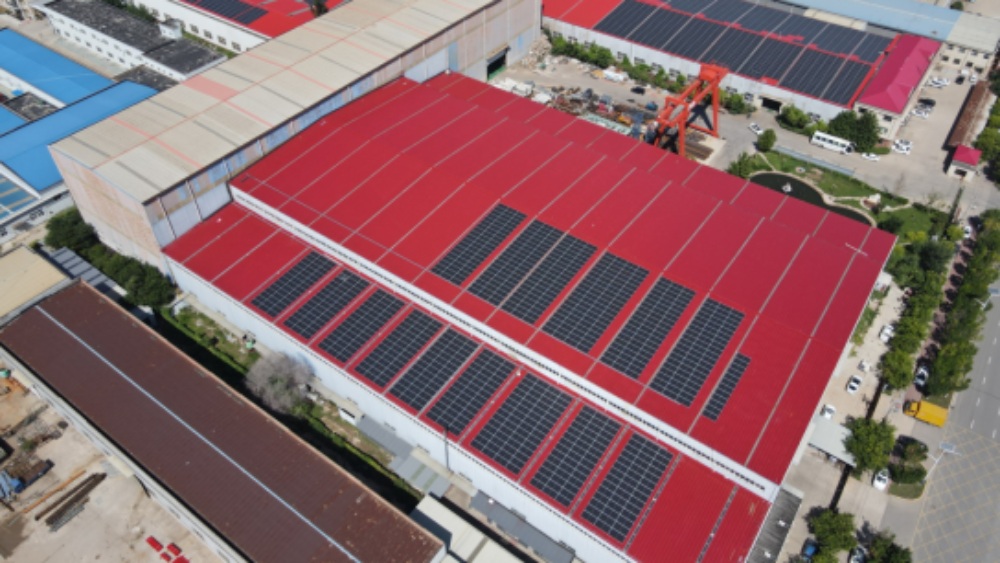 Color coated roofing sheets are widely used on factory buildings because they are familiar, easy to source, and suitable for many standard industrial roofs. In a normal inland environment, they may perform well enough for general warehouse or workshop projects. The situation changes when the building is close to the sea.